Introduction
Supplements play an important role in supporting your pet’s overall health, especially when their regular diet may not provide all the necessary nutrients. From improving joint function to supporting digestion and immunity, the right supplements can enhance your pet’s quality of life.
Importance of Supplements in Maintaining Pet Health
- Support joint health, skin and coat condition, and digestive function.
- Help maintain energy levels, immune system strength, and overall vitality.
- Can address specific needs related to age, breed, or medical conditions.
How Supplements Fill Nutritional Gaps Beyond Regular Diet
- Even a balanced diet may lack certain vitamins, minerals, or specialized nutrients.
- Supplements provide targeted support for heart health, cognitive function, mobility, or allergies.
- Help pets recover from illness, stress, or increased physical activity.
Overview of Topics Covered in the Guide
This guide will cover:
- Types of pet supplements and their benefits
- How to choose supplements based on age, breed, and health needs
- Dosage guidelines and safety considerations
- Tips for integrating supplements into your pet’s routine
By understanding the role of supplements, you can make informed choices to enhance your pet’s health and well-being.
Why Pet Supplements Are Important

Pet supplements provide targeted support that can enhance overall health, address specific needs, and fill nutritional gaps in your pet’s diet. Proper supplementation helps pets stay active, healthy, and resilient throughout their lives.
Support Overall Health and Energy Levels
- Supplements with essential vitamins and minerals help maintain vitality and stamina.
- Support proper organ function, metabolism, and overall wellness.
- Particularly beneficial for pets with high activity levels or those recovering from illness.
Promote Joint and Mobility Health
- Ingredients like glucosamine, chondroitin, and omega-3 fatty acids support cartilage, flexibility, and joint comfort.
- Especially important for senior pets, large breeds, or pets with arthritis.
- Can help reduce stiffness and improve quality of life.
Boost Immunity and Disease Resistance
- Vitamins, antioxidants, and probiotics strengthen the immune system.
- Help pets fight infections, recover faster from illness, and maintain long-term health.
- Supports resilience against environmental stressors and seasonal changes.
Improve Skin, Coat, and Digestive Health
- Fatty acids, biotin, and other nutrients promote a shiny, healthy coat and reduce shedding.
- Digestive enzymes and probiotics improve gut health and nutrient absorption.
- Reduces skin irritation, allergies, and gastrointestinal discomfort.
Aid in Recovery from Illness or Stress
- Supplements can accelerate recovery from surgery, illness, or high-stress periods.
- Support hydration, energy replenishment, and immune response.
- Provide essential nutrients that may be lacking during convalescence.
Types of Pet Supplements
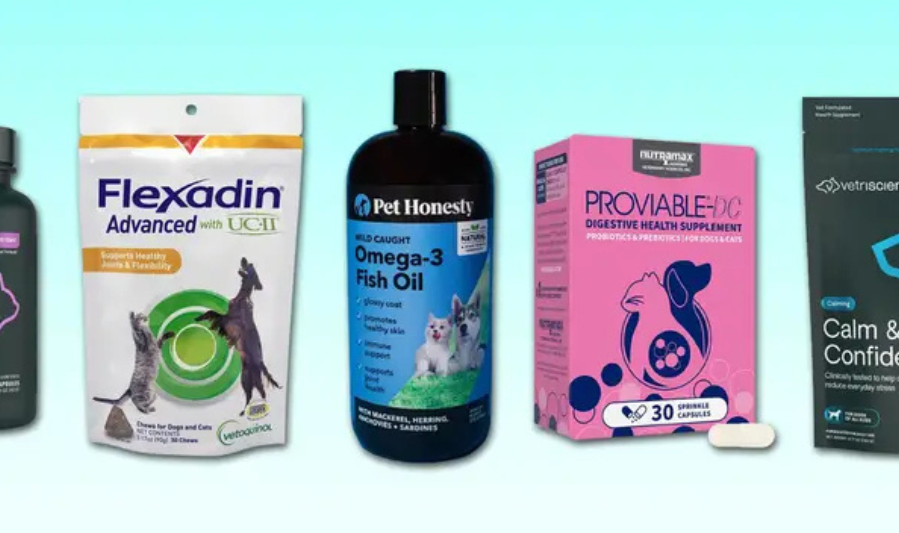
Pet supplements come in a variety of forms to support specific health needs, from joint health to digestion and overall wellness. Choosing the right type ensures your pet receives targeted benefits.
A. Joint and Mobility Supplements
- Key Ingredients: Glucosamine, chondroitin, MSM, Omega-3 fatty acids
- Benefits: Reduce arthritis pain, improve joint flexibility, and support large or aging breeds prone to stiffness.
- Forms: Chews, powders, capsules—choose based on ease of administration and your pet’s preferences.
B. Immune-Boosting Supplements
- Key Ingredients: Antioxidants, vitamins C & E, beta-glucans
- Benefits: Strengthen immunity, help pets recover from illness, and reduce stress-related health issues.
- Forms: Chews, capsules, liquids—convenient for both dogs and cats.
C. Skin and Coat Supplements
- Key Ingredients: Omega fatty acids, biotin, zinc
- Benefits: Promote a shiny, healthy coat, reduce shedding, and improve skin condition.
- Forms: Soft chews, oils, or capsules—easy to integrate into meals.
D. Digestive Health Supplements
- Key Ingredients: Probiotics, prebiotics, digestive enzymes, fiber
- Benefits: Support gut health, enhance nutrient absorption, and reduce digestive issues such as diarrhea or constipation.
- Forms: Powders, capsules, or food additives—blend easily with regular meals.
E. Multivitamins and General Health Supplements
- Key Ingredients: Complete vitamins and minerals tailored to pet needs
- Benefits: Ensure balanced nutrition, particularly for pets with limited diet variety or specific health requirements.
- Forms: Chews, tablets, powders—convenient for everyday supplementation.
Tips for Choosing the Right Supplements
Selecting the right supplements ensures your pet receives effective, safe, and targeted support for their health. Following these guidelines helps prevent over-supplementation or adverse effects.
Consult a Veterinarian Before Starting
- A vet can assess your pet’s specific needs and recommend appropriate supplements.
- Helps identify potential interactions with medications or existing health conditions.
- Ensures supplements address actual deficiencies rather than unnecessary additions.
Check Quality, Safety, and Proper Dosage
- Choose reputable brands with third-party testing or quality certifications.
- Follow recommended dosages carefully to avoid overdosing or side effects.
- Verify expiration dates and storage instructions for maximum efficacy.
Choose Supplements Based on Age, Breed, and Health Condition
- Puppies or kittens: Support growth and development with tailored vitamins and minerals.
- Senior pets: Focus on joint health, mobility, and immunity.
- Breed-specific considerations: Some breeds may need extra skin, coat, or digestive support.
Look for Natural Ingredients Without Harmful Additives
- Avoid artificial colors, flavors, preservatives, or toxic fillers.
- Select supplements with high-quality, bioavailable ingredients for better absorption.
- Natural options often reduce the risk of allergies or digestive upset.
Monitor Your Pet’s Response and Adjust as Needed
- Observe energy levels, coat condition, digestion, and overall behavior.
- Note improvements or adverse reactions and adjust dosage or type accordingly.
- Maintain regular vet check-ups to ensure supplementation continues to meet your pet’s evolving needs.
How to Administer Supplements
Giving supplements correctly ensures your pet receives the full benefits while minimizing stress or digestive issues. Different forms require different approaches depending on your pet’s preferences and tolerance.
Mixing Powders into Food
- Sprinkle powders over your pet’s regular meals for easy consumption.
- Ensure the powder is evenly mixed so your pet receives the full dosage.
- Ideal for pets that are picky eaters or resistant to pills.
Giving Chewable Treats as Snacks
- Chewable supplements double as tasty treats, making administration simple and enjoyable.
- Can be used as a reward during training or as part of the daily routine.
- Check ingredient lists to avoid excess calories or sugar.
Using Capsules or Liquids According to Dosage Instructions
- Follow the veterinarian-recommended dosage precisely.
- Capsules can be hidden in food or given directly if your pet tolerates it.
- Liquids can be added to water or administered with a syringe (without needle) for precise measurement.
You may also like to read these posts:
Global AI & Emerging Technologies Summit 2026
Tech Giant Google Launches Budget-Friendly Pixel 10a
Dog Care Tips: Essential Guide for a Happy and Healthy Pet
Pet Dental Care Tips: Keep Your Dog and Cat’s Teeth Healthy
Gradual Introduction to Avoid Stomach Upset
- Start with a smaller dose for the first few days and gradually increase to the recommended amount.
- Observe your pet for any digestive issues like vomiting, diarrhea, or reduced appetite.
- Slowly introducing supplements helps pets adjust and ensures better absorption.
Faqs:
What are the best supplements for senior dogs or cats?
The best supplements for senior pets include joint and mobility supplements with glucosamine, chondroitin, and Omega-3 fatty acids, as well as multivitamins to support overall health and energy.
Can supplements replace a balanced diet?
No. Supplements are meant to support and complement a balanced diet, not replace it. They help fill nutritional gaps but cannot substitute for proper food.
Are liquid or chewable supplements better for pets?
Both are effective. Chewables are easy to give as treats, while liquids can be mixed with food. The choice depends on your pet’s preference and ease of administration.
How long does it take for supplements to show results?
Results vary by supplement type and pet condition. Joint supplements may take 4–6 weeks, while digestive or immune support supplements may show effects in 1–2 weeks.
Are natural supplements safer than synthetic ones?
Natural supplements are often gentler, but safety depends on quality, dosage, and vet guidance. Always choose reputable brands and consult your veterinarian before giving any supplement.
Conclusion
Choosing the right pet supplements can greatly improve your furry companion’s health, vitality, and overall well-being. From joint support and immunity boosters to digestive aids and skin-and-coat enhancers, high-quality supplements tailored to your pet’s needs ensure they stay active, healthy, and happy.
Always consult your veterinarian, monitor your pet’s response, and select trusted products — a well-supported pet leads to a longer, healthier, and more joyful life.