

Introduction
Dog obedience training is one of the most important steps you can take to ensure a happy, balanced, and well-behaved companion. Whether you’ve just welcomed a new puppy into your home or you’re working with an older dog, proper training lays the foundation for a strong and trusting relationship.
What Is Dog Obedience Training?
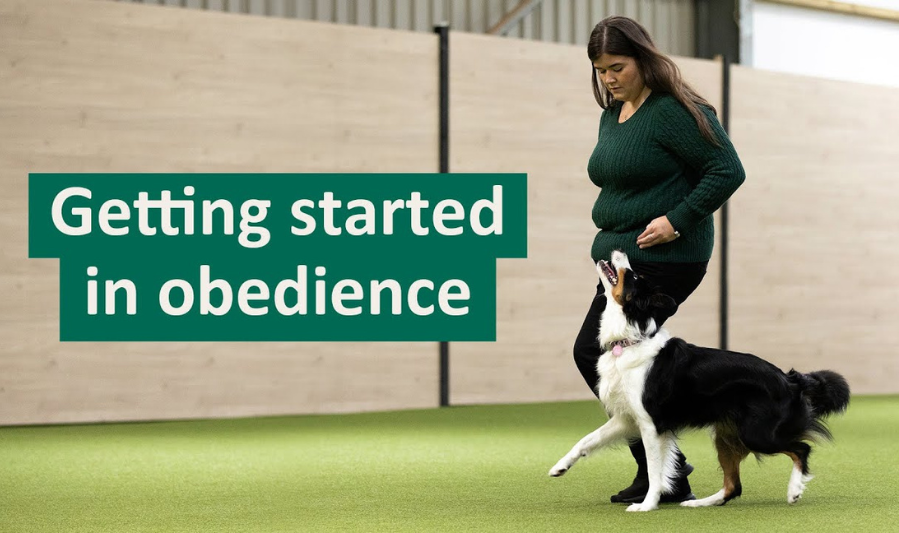
Definition of Dog Obedience Training
Dog obedience training is the structured process of teaching a dog to respond reliably to commands and behave appropriately in various situations. It focuses on communication, consistency, and positive reinforcement.
Core Components of Obedience Training
Basic Commands
These include essential cues such as:
- Sit
- Stay
- Come
- Down
- Heel
Behavioral Expectations
Obedience training also addresses:
- Walking calmly on a leash
- Not jumping on people
- Responding when called
- Remaining calm around distractions
Training Methods
Positive Reinforcement
Rewarding desired behaviors with treats, praise, or toys to encourage repetition.
Consistency and Repetition
Practicing commands regularly to build reliability and understanding.
Why Obedience Training Is Important
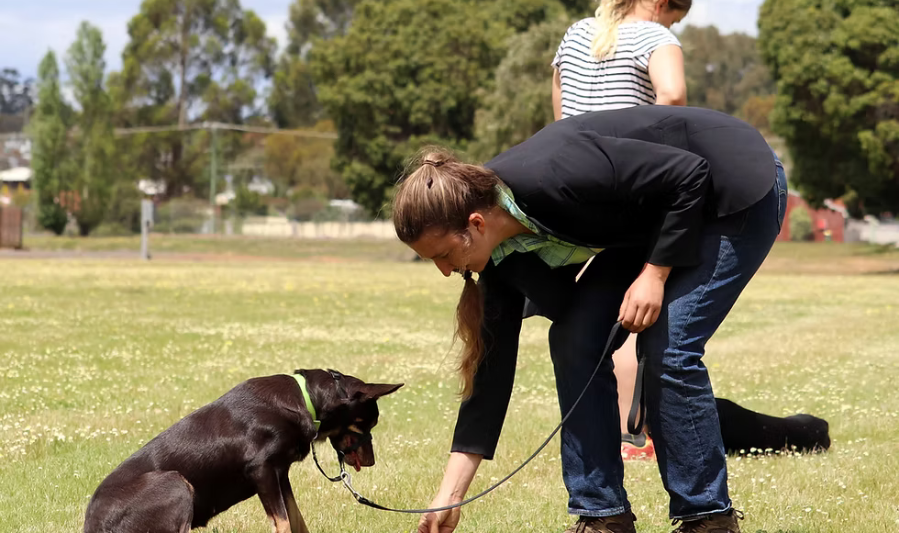
Safety
Preventing Dangerous Situations
Commands like “come” or “leave it” can protect your dog from traffic, harmful objects, or unsafe environments.
Improved Behavior
Reducing Problem Behaviors
Training helps prevent excessive barking, chewing, digging, and aggression.
Social Development
Building Confidence
Exposure to different environments, people, and animals helps dogs become well-adjusted and confident.
Clear Communication
Strengthening Understanding
Training creates a shared language between you and your dog, reducing confusion and frustration.
Benefits for Both Dog and Owner
Benefits for the Dog
Mental Stimulation
Training challenges your dog’s mind and reduces boredom.
Increased Confidence
Learning and mastering commands builds self-assurance.
Better Social Skills
Well-trained dogs behave more calmly in public and social settings.
Benefits for the Owner
Greater Control
A trained dog is easier to manage at home and in public.
Reduced Stress
Clear expectations lead to fewer behavioral issues.
Stronger Bond
Training strengthens trust, teamwork, and mutual respect.
What This Guide Will Cover
Training Foundations
Understanding Dog Behavior
Learn how dogs think and learn to improve your training approach.
Essential Commands
Step-by-Step Instruction
Detailed guidance on teaching core obedience skills.
Addressing Common Problems
Practical Solutions
Strategies for correcting unwanted behaviors.
Long-Term Success
Maintaining Consistency
Tips to reinforce training and prevent regression.
When to Seek Professional Help
Working with a Trainer
How and when to involve a certified professional for additional support.
Understanding Dog Behavior
Successful obedience training starts with understanding how dogs think, learn, and communicate. When you align your training methods with your dog’s natural instincts and learning style, progress becomes faster, easier, and more enjoyable for both of you.
How Dogs Learn
Dogs primarily learn through association, repetition, and rewards. They do not understand language the way humans do — they learn patterns and consequences.
Association
Dogs connect actions with outcomes. If sitting leads to a treat, praise, or playtime, they begin to associate the act of sitting with something positive. Likewise, if jumping results in being ignored, they learn that jumping doesn’t get attention.
This is known as cause-and-effect learning.
Repetition
Consistency builds understanding. The more frequently a dog practices a behavior in the same way, the stronger that behavior becomes. Repeating commands clearly and practicing daily helps turn new skills into reliable habits.
Rewards
Positive reinforcement is one of the most effective training tools. Rewards can include:
- Treats
- Verbal praise
- Toys
- Affection
- Playtime
When a desired behavior is rewarded immediately, the dog is more likely to repeat it.
The Role of Body Language and Tone of Voice
Dogs rely heavily on non-verbal cues. In fact, they often respond more to how you say something than to the actual word itself.
Body Language
Dogs observe:
- Your posture
- Facial expressions
- Hand gestures
- Movement speed
Standing tall and calm conveys confidence. Leaning forward aggressively may seem threatening. Clear, consistent hand signals can reinforce verbal commands and improve understanding.
Tone of Voice
Dogs respond to tone more than vocabulary.
- A calm, firm tone signals seriousness.
- A high, cheerful tone encourages excitement and praise.
- A sharp tone can interrupt unwanted behavior.
Consistency in tone prevents confusion and strengthens communication.
The Importance of Timing in Training
Timing is critical. A dog associates rewards or corrections with whatever they are doing at that exact moment.
Immediate Feedback
If you wait too long to reward or correct, your dog may connect the response to the wrong behavior. For example, calling your dog and rewarding them five seconds after they sit may accidentally reinforce sitting instead of coming.
The ideal window for reinforcement is within one to two seconds of the behavior.
Marking the Behavior
Many trainers use a marker word like “Yes!” or a clicker to pinpoint the exact moment the dog performs the desired action. This clarity speeds up learning and reduces confusion.
Understanding Breed Differences and Temperament
Not all dogs learn at the same pace or in the same way. Breed traits and individual temperament play a significant role in training.
Breed Tendencies
Some breeds are naturally more responsive to structured training, such as herding or working breeds. Others may be more independent or strong-willed.
For example:
- Herding breeds often respond quickly to commands and enjoy mental challenges.
- Hound breeds may be more scent-driven and easily distracted.
- Guarding breeds may require additional socialization.
Recognizing these tendencies helps you tailor your approach.
Individual Personality
Beyond breed, every dog has a unique personality. Some are:
- Highly food-motivated
- Sensitive to tone
- Easily distracted
- Naturally cautious or shy
- Highly energetic
Adjusting your training style to fit your dog’s temperament increases success and reduces frustration.
When to Start Obedience Training
One of the most common questions dog owners ask is: When should I begin training? The simple answer is — as early as possible, but it’s also never too late to start. The key is adjusting your approach based on your dog’s age and developmental stage.
Training Puppies (8 Weeks and Older)
Why Start at 8 Weeks?
Puppies are ready to begin basic training as early as 8 weeks old. At this stage, they are highly receptive to learning and forming habits. Early training helps prevent unwanted behaviors before they become ingrained.
What to Focus on First
At this age, keep training simple, positive, and short. Focus on:
Basic Commands
- Sit
- Come
- Name recognition
- Gentle leash introduction
Socialization
Expose your puppy to:
- Different people
- New environments
- Sounds and surfaces
- Other vaccinated, friendly dogs
House Training and Crate Training
Establish routines early to encourage good habits.
Keep Sessions Short
Puppies have short attention spans. Aim for:
- 3–5 minute sessions
- Multiple short sessions per day
- Plenty of praise and rewards
Training at this stage should feel like a game, not a chore.
Training Adult Dogs
It’s Absolutely Possible
Adult dogs can learn just as effectively as puppies. In many cases, they may even focus better because they have longer attention spans.
What May Be Different
Adult dogs may:
- Have established habits (good or bad)
- Require more patience when unlearning behaviors
- Need trust-building if previously untrained or poorly trained
Benefits of Training Adult Dogs
- Improved manners
- Stronger bond with the owner
- Mental stimulation
- Reduced behavioral problems
Consistency and positive reinforcement remain essential, regardless of age.
Is It Ever Too Late to Train a Dog?
The short answer is no. Dogs are capable of learning throughout their lives.
Senior Dogs Can Learn Too
Even older dogs benefit from:
- Mental stimulation
- Gentle skill-building
- Routine reinforcement
While they may learn at a slower pace, training can improve their quality of life and strengthen your relationship.
Health Considerations
For older dogs:
- Keep sessions shorter
- Avoid physically demanding exercises
- Be patient with mobility or sensory limitations
Always consider your dog’s physical condition when designing a training plan.
Adjusting Expectations Based on Age
Understanding developmental stages helps set realistic goals.
Puppies
- Short attention spans
- Easily distracted
- Learning foundational skills
- Need high repetition
Adolescents
- Testing boundaries
- Higher energy
- May temporarily “forget” training
- Require consistency and structure
Adults
- More focused
- Habits may be established
- Capable of steady progress
Seniors
- Slower pace
- Shorter sessions
- Emphasis on mental engagement over physical performance
Core Obedience Commands Every Dog Should Learn
Teaching core commands builds the foundation for a well-behaved, safe, and responsive dog. Below are the essential obedience commands, along with clear, step-by-step methods to teach each one using positive reinforcement.
Sit
Why It Matters
“Sit” is often the first command taught and forms the basis for many other behaviors.
Step-by-Step Training
- Hold a treat close to your dog’s nose.
- Move the treat upward slowly over their head.
- As their head follows the treat, their bottom will naturally lower.
- The moment their bottom touches the ground, say “Yes!” and give the treat.
- Repeat several times.
- Once consistent, add the verbal cue “Sit” before moving the treat.
- Gradually phase out the lure and rely on the verbal cue and hand signal.
Practice in short sessions until your dog responds without needing the treat visible.
Stay
Why It Matters
“Stay” builds impulse control and keeps your dog safe.
Step-by-Step Training
- Ask your dog to Sit.
- Hold your palm out in front of them and say “Stay.”
- Take one small step back.
- If they remain in position for 1–2 seconds, say “Yes!” and reward.
- Gradually increase distance.
- Slowly increase duration.
- Add mild distractions once they’re consistent.
If they move, calmly reset — avoid scolding. Build difficulty gradually.
Come (Recall)
Why It Matters
Recall can prevent dangerous situations and is one of the most important safety commands.
Step-by-Step Training
- Start indoors with minimal distractions.
- Say your dog’s name followed by “Come!” in a cheerful tone.
- Take a few steps backward to encourage movement toward you.
- When they reach you, reward generously with treats and praise.
- Repeat multiple times daily.
- Practice in a fenced yard using a long leash.
- Gradually increase distractions as reliability improves.
Never punish your dog for coming to you — always make recall positive.
Down
Why It Matters
“Down” encourages calm behavior and control.
Step-by-Step Training
- Start with your dog in a sitting position.
- Hold a treat near their nose.
- Slowly lower the treat straight down to the ground.
- Move it slightly forward along the floor.
- As they follow the treat, their body should lower.
- Once elbows touch the ground, mark with “Yes!” and reward.
- Add the verbal cue “Down” once they understand the motion.
Practice until they respond without needing a treat lure.
Heel
Why It Matters
“Heel” teaches your dog to walk calmly beside you without pulling.
Step-by-Step Training
- Start with your dog sitting beside your left leg (or preferred side).
- Hold a treat at your thigh level.
- Say “Heel” and take a few steps forward.
- Reward if they stay aligned with you.
- Stop walking — if they stop and remain beside you, reward again.
- Gradually increase the number of steps between rewards.
- Practice in low-distraction environments before moving outdoors.
Consistency and short practice sessions are key.
Leave It
Why It Matters
“Leave it” prevents your dog from picking up dangerous or unwanted items.
Step-by-Step Training
- Hold a treat in a closed fist.
- Present your fist to your dog.
- When they sniff or paw, say nothing — wait patiently.
- The moment they stop trying and pull away slightly, say “Yes!” and give a different treat from your other hand.
- Repeat until they consistently disengage.
- Add the verbal cue “Leave it.”
- Progress to placing a treat on the floor (covered with your hand).
Reward only when they ignore the item.
You may also like to read these posts:
Clean & Pure Face Moisturizer for Smooth, Healthy Glow
Skincare Tips for Dry Skin: How to Keep Your Skin Hydrated and Glowing
Global AI & Emerging Technologies Summit 2026
Tech Giant Google Launches Budget-Friendly Pixel 10a
Dog Care Tips: Essential Guide for a Happy and Healthy Pet
Drop It
Why It Matters
“Drop it” teaches your dog to release objects from their mouth safely.
Step-by-Step Training
- Give your dog a toy they enjoy.
- Hold a high-value treat near their nose.
- Say “Drop it.”
- When they release the toy to get the treat, mark with “Yes!” and reward.
- Immediately give the toy back to show releasing doesn’t mean losing it.
- Practice with different objects.
Never chase your dog to retrieve items — that can turn it into a game.
Place
Why It Matters
“Place” teaches your dog to go to a designated bed or mat and remain there calmly.
Step-by-Step Training
- Choose a specific mat or bed.
- Toss a treat onto it.
- When your dog steps onto the mat, say “Yes!” and reward again.
- Encourage them to sit or lie down on the mat.
- Add the verbal cue “Place.”
- Increase duration gradually before rewarding.
- Add distance and distractions over time.
This command is especially helpful for greeting guests or managing household activity.
Final Tips for Success
- Keep sessions short (5–10 minutes).
- Train consistently every day.
- Use positive reinforcement.
- Increase difficulty gradually.
- End on a success.
Positive Reinforcement Training Methods
Positive reinforcement is widely recognized as the most effective, humane, and reliable approach to dog training. It encourages dogs to repeat desirable behaviors by rewarding them immediately and consistently.
What Is Positive Reinforcement?
Positive reinforcement is the practice of adding something your dog likes immediately after they perform a desired behavior, making it more likely they will repeat it.
- Key principle: Reward good behavior rather than punishing bad behavior.
- Goal: Build a cooperative, motivated, and confident dog.
Unlike punishment-based methods, positive reinforcement strengthens the bond between dog and owner and encourages dogs to think and make good choices.
Using Treats Effectively
Treats are one of the most common forms of reinforcement, but they work best when used strategically.
Guidelines for Treats
- High-value treats: Use something your dog loves but doesn’t get all the time (e.g., small pieces of cooked chicken, cheese, or commercial training treats).
- Small portions: Tiny treats allow for multiple repetitions without overfeeding.
- Immediate delivery: Give the treat within 1–2 seconds of the correct behavior to create a clear connection.
- Variable reinforcement: Over time, start rewarding intermittently to strengthen long-term reliability.
Treats are especially useful for teaching new commands and building initial motivation.
Using Praise and Toys as Rewards
Not all dogs are equally motivated by food. Other rewards can be just as effective.
Verbal Praise
- Use a happy, enthusiastic tone (e.g., “Yes!” or “Good boy/girl!”).
- Pair praise with petting or a gentle rub for extra reinforcement.
Toys and Play
- Some dogs prefer fetch, tug, or other games.
- Immediately follow the correct behavior with a short play session.
- This is especially useful for energetic or toy-motivated dogs.
Mixing rewards keeps training fun and prevents dogs from becoming bored or dependent on one type of reinforcement.
Clicker Training Basics
Clicker training is a form of positive reinforcement that uses a distinct sound to mark the exact moment a dog performs the desired behavior.
How Clicker Training Works
- Introduce the clicker: Pair the sound with a treat several times until the dog associates it with a reward.
- Mark the behavior: Click immediately when your dog performs the desired action.
- Reward: Give a treat or other reward immediately after the click.
- Add cues: Once the dog consistently performs the behavior, introduce a verbal cue.
Clicker training is highly precise, reduces confusion, and accelerates learning.
Why Punishment-Based Methods Can Backfire
Punishment-based approaches (yelling, hitting, leash corrections) can create several problems:
- Fear and anxiety: Dogs may become nervous or avoidant.
- Aggression: Some dogs react defensively when punished.
- Weakened bond: Trust between dog and owner can diminish.
- Confusion: Dogs may not understand what behavior caused the punishment.
Positive reinforcement avoids these risks while teaching dogs to think, choose, and engage willingly. It builds long-term obedience and strengthens the human-animal bond.
Faqs:
How long does it take to train a dog?
Training time depends on your dog’s age, breed, and previous experience. Puppies often learn basic commands in a few weeks with consistent short sessions, while adult dogs may take longer to adjust. Consistency and positive reinforcement are key to seeing results.
How often should I train my dog?
Short, frequent sessions work best. Aim for 5–10 minute sessions 2–3 times per day. Dogs learn better with repetition and consistency rather than long, exhausting sessions.
What if my dog doesn’t seem to respond to training?
Patience is essential. Some dogs need more time to understand commands or may be distracted. Break tasks into smaller steps, reward even small progress, and ensure you are consistent with cues and timing.
Can I train my dog on my own, or do I need a professional?
Many basic obedience skills can be taught at home, but professional trainers are helpful for challenging behaviors, advanced training, or guidance with specific methods. Group classes also provide socialization opportunities.
Is it ever too late to start training a dog?
It’s never too late! While puppies are easier to train, adult dogs and even senior dogs can learn new commands and improve behavior with patience, consistency, and positive reinforcement.
Conclusion
Obedience training is more than just teaching your dog commands — it’s about building a strong, trusting bond that lasts a lifetime. With consistent practice, patience, and positive reinforcement, your dog will not only learn to behave appropriately but will also become more confident, happy, and secure.
Training benefits both you and your dog: it makes daily life easier, strengthens communication, and creates a sense of partnership. Whether you’re starting with a playful puppy or an older dog, it’s never too late to begin.