


Introduction
Cats are often seen as independent and untrainable, but that couldn’t be further from the truth. With the right approach, patience, and consistency, cats can learn a wide range of behaviors that improve their safety, well-being, and relationship with their owners.
What Is Cat Behavior Training?

Cat behavior training is the process of teaching a cat to perform specific actions or modify unwanted behaviors through structured guidance and positive reinforcement.
This can include:
- Using the litter box consistently
- Coming when called
- Using scratching posts instead of furniture
- Walking on a harness
- Performing tricks like sit or high-five
Unlike dogs, cats are typically motivated by curiosity, comfort, and rewards that match their individual preferences. Training works best when it feels voluntary and engaging rather than forced.
Common Myths About Training Cats
Myth 1: Cats Can’t Be Trained
Cats are fully capable of learning. They respond well to rewards, routine, and clear communication.
Myth 2: Cats Only Do What They Want
While cats are independent, they repeat behaviors that result in positive outcomes. This makes reward-based training highly effective.
Myth 3: Punishment Works Best
Punishment can create fear, stress, and avoidance behaviors. Cats respond much better to positive reinforcement and redirection.
Myth 4: Only Kittens Can Learn
Cats of all ages can learn new behaviors. Older cats may take more time, but learning is possible throughout life.
Why Training Is Important for Indoor and Outdoor Cats
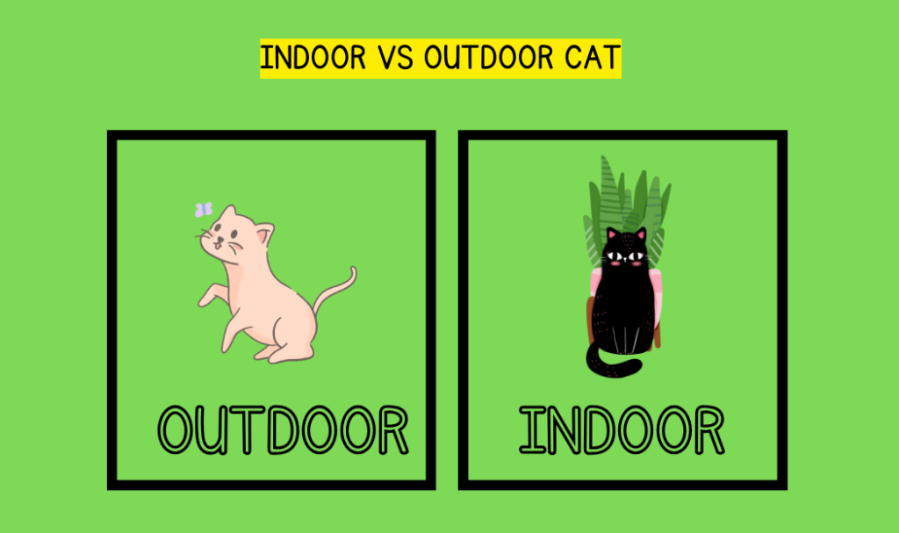
For Indoor Cats
- Prevents destructive scratching
- Reduces boredom and stress
- Encourages mental stimulation
- Strengthens the bond with owners
Indoor cats especially benefit from structured interaction to prevent behavioral issues caused by lack of stimulation.
For Outdoor or Indoor-Outdoor Cats
- Improves recall for safety
- Encourages harness and carrier comfort
- Makes vet visits less stressful
- Reinforces boundaries
Training can significantly reduce risks and increase overall safety.
What This Guide Will Cover
This guide will walk you through:
- How cats learn and what motivates them
- Essential behaviors every cat can benefit from learning
- Step-by-step training methods using positive reinforcement
- Solutions for common behavior problems
- Tips for maintaining progress long-term
Understanding Cat Behavior
To train a cat effectively, you must first understand how cats naturally think and behave. Unlike dogs, cats are both predators and prey animals, which strongly influences their instincts, communication style, and daily routines.
Natural Instincts
Cats are driven by deeply rooted survival behaviors. Training works best when it aligns with these instincts rather than trying to suppress them.
Hunting Instinct
Cats are natural hunters. Even well-fed indoor cats retain the instinct to stalk, chase, pounce, and “capture” prey.
Common hunting behaviors include:
- Chasing moving objects
- Pouncing on feet or toys
- Batting at small items
- Bringing “gifts”
Providing interactive toys and play sessions mimics the hunt cycle (stalk → chase → catch → eat → groom → sleep), which helps reduce unwanted behaviors.
Scratching
Scratching is not misbehavior — it is essential for:
- Marking territory (visual and scent markers)
- Stretching muscles
- Maintaining claw health
- Releasing stress
Instead of stopping scratching, redirect it to appropriate surfaces like scratching posts or pads.
Climbing and Perching
Cats feel safest when they can observe their environment from above. Climbing and perching:
- Provide security
- Reduce stress
- Support natural exploration
Cat trees, shelves, and window perches satisfy this instinct and prevent counter-jumping.
How Cats Communicate
Cats communicate primarily through body language, subtle movements, and vocalizations.
Body Language
Key signals include:
- Slow blinking: Trust and relaxation
- Ears forward: Curiosity or interest
- Ears flattened: Fear or irritation
- Arched back with puffed fur: Defensive posture
Understanding these cues helps prevent stress and unwanted reactions during training.
Vocalization
Cats use different sounds to express needs or emotions:
- Meowing: Often directed at humans for attention or needs
- Purring: Usually contentment, but sometimes self-soothing
- Hissing or growling: Warning signals
- Chirping: Excitement, often during hunting observation
Tone and frequency can signal urgency or comfort levels.
Tail Signals
A cat’s tail provides valuable emotional clues:
- Tail upright: Confidence and friendliness
- Tail wrapped around you: Affection
- Swishing tail: Irritation or overstimulation
- Puffed tail: Fear or alarm
Recognizing tail language helps you adjust your interaction and training timing.
Territorial Behavior
Cats are territorial animals and use scent to define their space.
They mark territory through:
- Rubbing their face or body on objects
- Scratching surfaces
- Spraying (in some cases)
Territorial stress may appear when:
- A new pet enters the home
- Furniture is rearranged
- Outdoor cats are visible through windows
Providing stable resources (food bowls, litter boxes, resting areas) and gradual introductions reduces territorial anxiety.
The Role of Routine in a Cat’s Life
Cats thrive on predictability. Routine provides a sense of safety and control.
Consistent schedules for:
- Feeding
- Playtime
- Cleaning the litter box
- Sleep
help reduce stress and unwanted behaviors.
Sudden changes in routine may result in:
- Hiding
- Excessive vocalization
- Litter box issues
- Destructive behavior
Maintaining structure supports both emotional balance and successful training.
How Cats Learn
Cats learn through association, repetition, and outcomes. If a behavior leads to something they value, they are likely to repeat it. If it leads to discomfort, fear, or no reward, they will often avoid the situation altogether.
Unlike dogs, cats are less motivated by pleasing humans and more motivated by personal benefit. This means training must feel rewarding, safe, and voluntary.
Positive Reinforcement Explained
Positive reinforcement means adding something your cat enjoys immediately after a desired behavior, increasing the likelihood that the behavior will happen again.
For example:
- Cat sits → receives a treat → sitting becomes more likely in the future.
- Cat uses scratching post → receives praise or play → scratching post use increases.
The key principles are:
- Reward what you want to see.
- Ignore or redirect what you don’t want.
- Be consistent.
Cats respond best when training feels like a game rather than a demand.
The Importance of Timing
Timing is critical in cat training. Cats associate rewards with what they are doing at that exact moment.
- Reward within 1–2 seconds of the desired behavior.
- Delayed rewards can cause confusion.
- If timing is off, you may accidentally reinforce the wrong behavior.
For example, if you call your cat and they pause to groom before reaching you, rewarding too late may reinforce grooming instead of coming when called.
Clear, immediate feedback builds faster understanding.
Using Treats, Toys, and Praise
Different cats are motivated by different rewards. Identifying what your cat values most will make training more effective.
Treats
- Use small, soft, high-value treats.
- Reserve special treats for training sessions.
- Keep portions tiny to avoid overfeeding.
Toys
- Feather wands, laser pointers, or small moving toys can serve as powerful motivators.
- A short play burst immediately after the desired behavior works well.
Praise and Affection
- Some cats respond to gentle petting or soft verbal praise.
- Use a calm, positive tone.
- Watch your cat’s body language to avoid overstimulation.
Rotating rewards keeps sessions engaging and prevents boredom.
Clicker Training Basics
Clicker training uses a small device that makes a distinct “click” sound to mark the exact moment a cat performs the correct behavior.
How It Works
- Charge the clicker: Click, then immediately give a treat. Repeat several times until your cat associates the sound with a reward.
- Mark the behavior: Click the instant your cat performs the desired action.
- Reward immediately: Follow the click with a treat or play.
- Add a cue: Once consistent, introduce a verbal cue before the behavior.
The click acts as a precise communication tool, making learning clearer and faster.
Why Punishment Can Harm Trust
Punishment-based methods—such as yelling, spraying water, or physical correction—can damage your relationship with your cat.
Possible negative effects include:
- Increased fear or anxiety
- Hiding or avoidance
- Aggressive reactions
- Loss of trust
- Stress-related behaviors (like litter box issues)
Cats may not connect punishment with their behavior. Instead, they may associate it with you, leading to distrust.
Positive reinforcement builds cooperation and confidence, while punishment often creates confusion and fear.
When to Start Cat Behavior Training
The best time to begin cat behavior training is as early as possible, but learning can happen at any age. Cats remain capable of forming new associations throughout their lives. The key is adjusting your expectations and techniques to match their developmental stage.
Training Kittens
When to Begin
Kittens can start learning basic behaviors as early as 8 weeks old. This is a critical socialization period when they are highly receptive to new experiences.
What to Focus On
Early training should center on:
- Proper litter box use
- Gentle handling and socialization
- Using scratching posts
- Responding to their name
- Carrier comfort
Short, positive sessions help build confidence and prevent unwanted habits from forming.
Keep It Short and Fun
Kittens have short attention spans.
- Train for 2–5 minutes at a time.
- Use tiny, soft treats.
- Incorporate play into lessons.
At this stage, training should feel like interactive play.
Training Adult Cats
Is It Possible?
Absolutely. Adult cats can learn effectively, especially when motivated by high-value rewards.
What May Be Different
Adult cats may:
- Have established habits
- Be more cautious with new experiences
- Require patience when changing behaviors
If an unwanted behavior has been reinforced over time, consistency will be especially important.
Advantages of Training Adults
- Longer attention span
- Better impulse control
- Greater focus during sessions
With routine and positive reinforcement, adult cats can make steady progress.
Can Senior Cats Learn New Behaviors?
Yes. Senior cats are fully capable of learning new skills and modifying behavior.
Benefits for Senior Cats
- Mental stimulation
- Reduced boredom
- Strengthened bond with owners
- Improved adaptability
Special Considerations
Older cats may have:
- Reduced hearing or vision
- Mobility limitations
- Lower energy levels
Training sessions should be shorter, gentler, and physically appropriate.
Adjusting Techniques Based on Age
For Kittens
- Use frequent, short sessions
- Focus on prevention of bad habits
- Prioritize socialization
- Keep rewards immediate and engaging
For Adult Cats
- Be patient when replacing established habits
- Use consistent routines
- Introduce changes gradually
For Senior Cats
- Keep sessions calm and low-impact
- Monitor physical comfort
- Emphasize mental enrichment over physical tricks
Essential Cat Behavior Training Areas
Addressing key behavior areas early helps create a calm, balanced, and happy home. Below are the most important training categories and practical strategies for each.
A. Litter Box Training
Choosing the Right Litter Box
Selecting the proper setup greatly increases success.
- Size: The box should be at least 1.5 times the length of your cat.
- Open vs. covered: Many cats prefer open boxes because they feel less confined.
- Low entry (for kittens/seniors): Easier access prevents avoidance.
- Number of boxes: Follow the rule — one box per cat, plus one extra.
Clumping, unscented litter is often preferred, as strong scents may discourage use.
Placement Tips
Location plays a major role in consistent use.
- Place boxes in quiet, low-traffic areas.
- Avoid placing near food and water bowls.
- Ensure easy access (no blocked doors).
- In multi-level homes, provide a box on each floor.
Cats value privacy but also want to feel safe from sudden disturbances.
Solving Common Litter Box Issues
If problems occur:
- Accidents outside the box: Check for medical issues first.
- Refusing a dirty box: Scoop daily and fully clean weekly.
- Avoiding a specific box: Try a different litter type or location.
- Stress-related elimination: Evaluate environmental changes (new pets, moves, loud noises).
Consistency, cleanliness, and stress reduction resolve most issues.
B. Scratching Training
Why Cats Scratch
Scratching is natural and necessary. Cats scratch to:
- Mark territory (scent and visual marks)
- Stretch muscles
- Maintain claw health
- Relieve stress
The goal is redirection — not elimination.
Introducing Scratching Posts
Provide appealing alternatives:
- Offer both vertical and horizontal surfaces.
- Place posts near sleeping areas and commonly scratched spots.
- Encourage use with catnip or dangling toys.
- Reward immediately when your cat uses the post.
Consistency reinforces the new habit.
Protecting Furniture
- Place scratching posts next to targeted furniture.
- Use double-sided tape or furniture protectors temporarily.
- Trim claws regularly.
- Never punish scratching — redirect calmly instead.
Over time, preferred surfaces become habit.
C. Reducing Aggression and Biting
Play Aggression vs. Fear Aggression
Understanding the cause is essential.
Play aggression:
- Common in kittens and young cats
- Includes pouncing, chasing feet, light biting
- Often triggered by movement
Fear aggression:
- Hissing, swatting, flattened ears
- Triggered by stress or perceived threats
- May follow sudden changes or overstimulation
Safe Play Techniques
- Use wand toys instead of hands.
- End play sessions before overstimulation.
- Provide daily structured play to release energy.
- Redirect biting to appropriate toys.
Never use hands or feet as toys — this reinforces biting behavior.
When to Consult a Professional
Seek help if:
- Aggression escalates or causes injury
- Behavior appears sudden or extreme
- Fear-based aggression persists
- Medical issues are suspected
A veterinarian should rule out pain-related causes before behavioral intervention.
You may also like to read these posts:
Clean & Pure Face Moisturizer for Smooth, Healthy Glow
Skincare Tips for Dry Skin: How to Keep Your Skin Hydrated and Glowing
Global AI & Emerging Technologies Summit 2026
Tech Giant Google Launches Budget-Friendly Pixel 10a
Dog Care Tips: Essential Guide for a Happy and Healthy Pet
D. Managing Excessive Meowing
Causes of Vocalization
Common reasons include:
- Hunger
- Attention-seeking
- Stress or boredom
- Heat cycles (if not spayed/neutered)
- Medical concerns (especially in seniors)
Identifying the cause determines the solution.
Attention-Seeking Behavior
If meowing results in attention, it may increase.
- Avoid reinforcing loud meowing with immediate responses.
- Reward quiet behavior instead.
- Provide scheduled play and interaction time.
Consistency prevents accidental reinforcement.
Training Calm Responses
- Wait for a pause in vocalization before giving attention.
- Reinforce quiet moments with praise or treats.
- Establish predictable feeding and play schedules.
Routine reduces anxiety-driven meowing.
E. Preventing Counter Surfing and Climbing
Environmental Management
Cats climb for safety, curiosity, or access to food.
- Keep counters clear of food.
- Store tempting items securely.
- Provide tall cat trees or shelves as alternatives.
- Use deterrents like double-sided tape temporarily.
Make desired areas more rewarding than restricted ones.
Redirecting Behavior
- Gently move the cat to an approved perch.
- Reward when they use appropriate climbing spots.
- Provide vertical spaces near windows.
- Increase enrichment to reduce boredom-driven exploration.
Avoid yelling or spraying water, as this may create fear rather than change behavior.
Faqs:
Can cats really be trained?
Yes, cats can absolutely be trained. While they are more independent than dogs, cats respond very well to positive reinforcement techniques such as treats, praise, and clicker training. With patience and consistency, most cats can learn commands and improve unwanted behaviors.
How long does cat behavior training take?
The timeline varies depending on your cat’s age, personality, and the behavior being addressed. Some cats learn simple commands within a few days, while correcting behavior problems may take several weeks of consistent training.
What is the best method for cat behavior training?
Positive reinforcement is the most effective method. Reward your cat immediately when they display desired behavior. Avoid punishment, as it can create fear and damage trust between you and your cat.
Why is my cat ignoring training?
Your cat may be distracted, stressed, or not motivated by the reward you’re offering. Try using higher-value treats, training in a quiet space, and keeping sessions short (5–10 minutes) to maintain focus.
Is it too late to train an adult cat?
No, it’s never too late to start cat behavior training. Adult and even senior cats can learn new behaviors with consistent practice and positive reinforcement. Progress may be gradual, but improvement is always possible.
Conclusion
Cat behavior training is not about controlling your cat — it’s about understanding them. By using positive reinforcement, staying consistent, and respecting your cat’s natural instincts, you can successfully guide their behavior in a healthy and stress-free way.
Whether you’re correcting litter box issues, reducing scratching, or teaching simple commands, patience is the key to success. Every small improvement strengthens the bond between you and your feline companion.
With the right approach, cat behavior training can transform everyday challenges into opportunities for connection, trust, and a happier home for both you and your cat.


