

Introduction
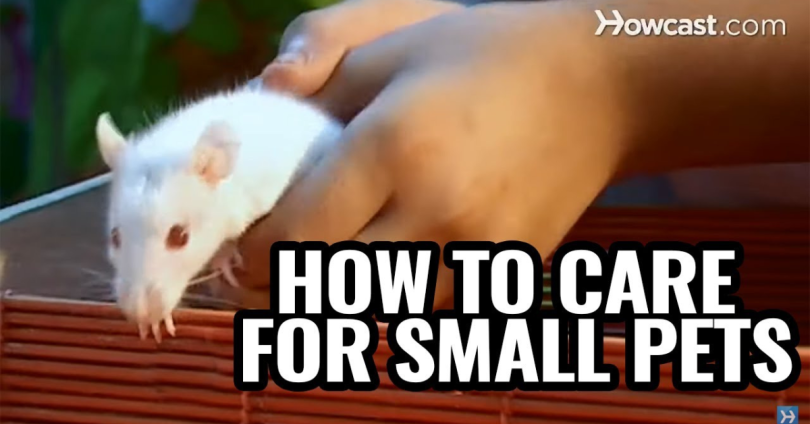
Proper daily care is essential for the health, happiness, and longevity of small pets like rabbits, guinea pigs, hamsters, and birds. Consistent routines help prevent illness, promote good behavior, and ensure your pets thrive in a safe and stimulating environment.
In this guide, we’ll cover key aspects of small pet care, including appropriate housing, nutrition, exercise, grooming, health monitoring, and social interaction, providing practical tips for keeping your little companions healthy and happy.
Housing and Habitat
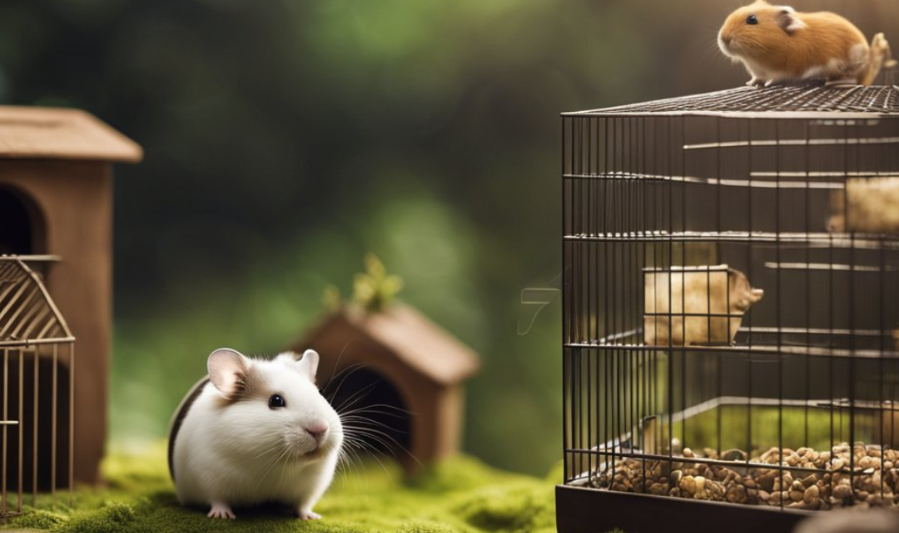
Creating a safe and stimulating habitat is essential for small pets’ health, comfort, and mental wellbeing. Proper housing prevents stress, injuries, and illness while providing opportunities for exercise and exploration.
Choosing the Right Cage, Tank, or Hutch
- Select size appropriate for your pet’s species, age, and activity level
- Ensure adequate space to move, stretch, and exercise
- Avoid wire flooring for small pets prone to foot injuries
Safe Bedding and Nesting Materials
- Use non-toxic, dust-free bedding like paper-based or aspen shavings
- Avoid cedar or pine, which can cause respiratory issues
- Provide soft nesting material for comfort and burrowing
Enrichment: Hiding Spots, Tunnels, and Toys
- Include huts, tunnels, chew toys, and climbing structures
- Encourage natural behaviors like burrowing, chewing, and climbing
- Rotate toys regularly to prevent boredom
Ventilation, Temperature, and Lighting
- Ensure good airflow without direct drafts
- Maintain species-appropriate temperatures and humidity
- Provide a natural day-night light cycle for wellbeing
Regular Cleaning and Maintenance
- Spot-clean daily to remove waste and soiled bedding
- Deep clean habitat weekly with pet-safe disinfectants
- Regular maintenance reduces odors and prevents disease
Nutrition and Feeding
A balanced and species-appropriate diet is crucial for the health, growth, and longevity of small pets. Proper feeding routines prevent obesity, malnutrition, and digestive problems.
Species-Specific Diet Guidelines
- Rabbits: High-fiber hay (timothy or meadow), fresh vegetables, limited pellets
- Guinea Pigs: Hay, fresh vegetables, vitamin C–enriched pellets
- Hamsters: Commercial hamster pellets, occasional fresh vegetables or fruits
- Ferrets: High-protein, meat-based diets; avoid carbs and sugary treats
- Always research dietary needs specific to your pet’s species
Fresh Water Availability and Hydration
- Provide clean, fresh water daily using bottles or bowls
- Monitor water intake; low consumption may indicate illness
- Consider water bottles with sipper tubes for rodents to prevent contamination
Healthy Treats and Avoiding Toxic Foods
- Offer occasional safe treats such as small pieces of fruit, vegetables, or commercial treats
- Avoid toxic foods: chocolate, onions, garlic, citrus, or processed human foods
- Treats should not exceed 5–10% of daily intake
Portion Control and Feeding Schedules
- Feed measured amounts to prevent overeating or obesity
- Establish a consistent feeding schedule to regulate digestion and prevent stress
- Remove uneaten fresh food daily to avoid spoilage
Supplementing Vitamins or Hay
- Hay: Essential for rabbits and guinea pigs for fiber and dental health
- Vitamin supplements: Provide vitamin C for guinea pigs and other species as recommended by a vet
- Avoid unnecessary supplementation unless prescribed
Proper nutrition and feeding routines support digestion, growth, and overall wellbeing, keeping your small pet healthy, active, and happy.
Exercise and Enrichment
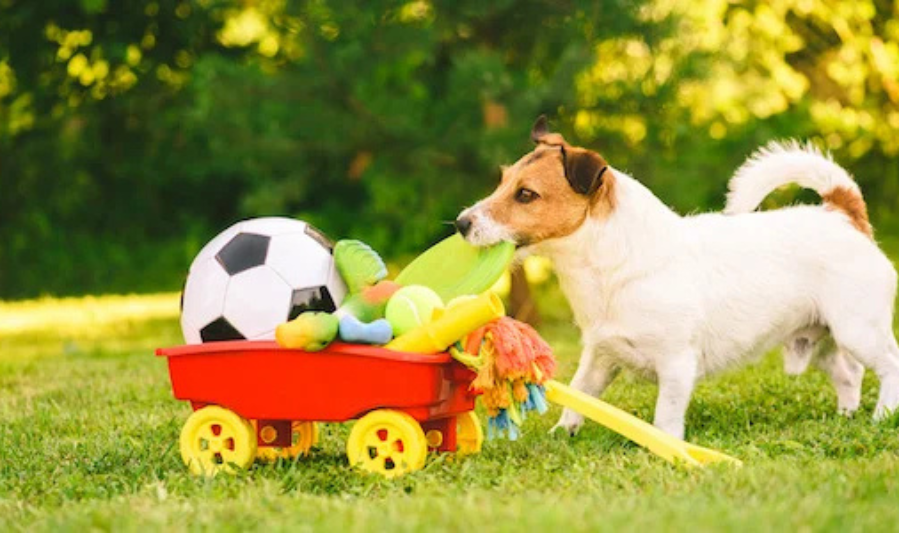
Regular physical activity and mental stimulation are essential for small pets’ health, happiness, and cognitive development. Providing opportunities for exercise prevents obesity, reduces stress, and encourages natural behaviors.
Daily Physical Activity
- Rods and tunnels: Exercise wheels, tunnels, and climbing structures for movement
- Encourage running, climbing, and hopping according to species-specific abilities
- Ensure wheels and toys are appropriately sized and safe
Mental Stimulation
- Offer chew toys, puzzle feeders, or foraging games to engage their minds
- Rotate toys regularly to maintain interest and reduce boredom
- Encourage natural behaviors like digging, climbing, or exploring
Safe Supervised Playtime Outside the Cage
- Allow short periods of free play in a secure, pet-proofed area
- Supervise closely to prevent escapes, chewing hazards, or injuries
- Use playpens for rabbits or guinea pigs when outdoor roaming isn’t possible
Rotating Toys and Changing Environments
- Change the layout of tunnels, hiding spots, or toys to provide new challenges
- Introduce new textures, scents, or climbing structures gradually
- Helps prevent boredom, anxiety, and destructive behavior
Consistent exercise and enrichment support your pet’s physical and mental wellbeing, keeping them active, curious, and happy.
Grooming and Hygiene
Regular grooming and hygiene routines are essential for the health, comfort, and wellbeing of small pets. Proper care prevents skin problems, infections, and discomfort, while keeping your pet clean and happy.
Brushing Frequency
- Long-haired small pets: Daily brushing to prevent tangles and mats (e.g., rabbits, guinea pigs)
- Short-haired small pets: 1–2 times per week to remove loose fur and stimulate the skin
- Use soft brushes appropriate for the pet’s size and coat type
Nail Trimming Tips and Frequency
- Trim nails every 4–6 weeks, depending on growth and species
- Use pet-safe clippers or grinders, and avoid cutting the quick
- Reward pets with treats or gentle praise to make the experience positive
Cleaning Cages, Tanks, and Bedding
- Spot-clean daily to remove waste and spoiled food
- Deep clean the habitat weekly using pet-safe disinfectants
- Ensure bedding is dry, non-toxic, and appropriate for the species
Checking for Skin Issues, Parasites, or Matting
- Inspect fur and skin regularly for redness, lumps, fleas, ticks, or mats
- Early detection prevents infections or other health problems
- Grooming sessions are a good opportunity to monitor overall health
Bathing Guidance
- Most small pets (rabbits, guinea pigs, hamsters) do not require frequent baths
- Only bathe when necessary, using species-safe shampoos
- Dry thoroughly to prevent chilling, especially in small, sensitive animals
Consistent grooming and hygiene routines keep your small pet healthy, comfortable, and reduce stress, while allowing you to monitor their overall wellbeing.
Health Monitoring
Regular health monitoring is essential for small pets to catch potential problems early and ensure a long, healthy life. Observing daily behaviors and physical signs helps you respond promptly to illness.
Signs of Good Health
- Energy levels: Active, alert, and responsive
- Appetite: Eating and drinking normally
- Fur condition: Smooth, shiny, and free from mats or bald patches
- Droppings: Regular, firm, and species-appropriate in size and shape
Early Signs of Illness
- Lethargy or unusual tiredness
- Diarrhea, constipation, or irregular droppings
- Respiratory issues: sneezing, coughing, labored breathing
- Changes in behavior: hiding, aggression, loss of interest in food or play
Teeth and Dental Health Monitoring
- Check for overgrown teeth, misalignment, or signs of discomfort
- Provide chew toys or hay to maintain proper dental wear (especially for rabbits and guinea pigs)
- Watch for drooling or difficulty eating, which may indicate dental issues
You may also like to read these posts:
Clean & Pure Face Moisturizer for Smooth, Healthy Glow
Skincare Tips for Dry Skin: How to Keep Your Skin Hydrated and Glowing
Global AI & Emerging Technologies Summit 2026
Tech Giant Google Launches Budget-Friendly Pixel 10a
Dog Care Tips: Essential Guide for a Happy and Healthy Pet
Vet Check-Ups and Preventive Care
- Schedule regular veterinary visits for wellness checks
- Follow vaccination schedules if applicable (e.g., ferrets)
- Implement parasite prevention as recommended for the species
Consistent health monitoring and preventive care ensure that small pets remain active, happy, and free from preventable illnesses.
Faqs:
How often should I clean my small pet’s cage or habitat?
Spot-clean daily and perform a full cage clean at least once a week to maintain hygiene and prevent odors.
What should I feed my small pet?
Provide species-specific food such as pellets, hay, fresh vegetables, and occasional fruits. Avoid toxic foods like chocolate, onions, and avocado.
How much exercise does a small pet need?
Small pets need daily activity using wheels, tunnels, toys, and supervised play outside their cage to stay healthy and active.
Do small pets need social interaction?
Yes. Guinea pigs and rabbits are social animals and thrive with companions, while hamsters are usually solitary. Daily gentle handling is important for bonding
How can I tell if my small pet is healthy?
Healthy pets are active, eat and drink regularly, have clean fur, bright eyes, normal droppings, and display normal behavior for their species.
Conclusion
Proper care for small pets ensures they live healthy, happy, and fulfilling lives. Following this Small Pet Care Advice—covering housing, nutrition, exercise, grooming, health checks, and social interaction—helps prevent health problems and strengthens the bond between you and your tiny companion.
Final Thought: With consistent daily attention and love, your small pets will thrive, stay active, and bring joy to your home every day.


