

Introduction
Early training is crucial for puppies to develop into well-behaved, confident, and happy adult dogs. Consistent guidance helps prevent behavioral problems, ensures safety, and strengthens the bond between you and your puppy.
In this guide, we’ll cover essential aspects of puppy training, including basic commands, potty training, crate training, behavior management, and socialization, providing practical tips for raising a well-adjusted companion.
Basic Commands
Teaching your puppy basic commands establishes a foundation for good behavior, safety, and communication. Consistent practice and positive reinforcement help your puppy understand expectations and respond reliably.
Foundational Commands
- Sit: Encourages calm behavior and focus
- Stay: Teaches patience and self-control
- Come: Ensures safety and reliable recall
- Down: Promotes calmness and submission
- Leave it / Drop it: Prevents chewing dangerous items or picking up harmful objects
Step-by-Step Training Method
- Choose a quiet, distraction-free environment
- Use clear verbal cues and hand signals
- Guide your puppy gently into the desired position or action
- Reward immediately with treats, praise, or play
Using Treats, Praise, and Timing
- Reward immediately after correct behavior to reinforce learning
- Keep treats small and appropriate for your puppy’s size
- Combine verbal praise with physical affection for a stronger connection
Gradually Increasing Distractions
- Practice commands in different locations and environments
- Slowly add distractions like other people, pets, or noises
- Reinforce correct behavior consistently to ensure real-world obedience
Teaching these basic commands early sets the stage for a well-behaved, confident puppy and makes future training easier.
Potty Training
Potty training is a key part of raising a well-behaved puppy. Consistency, patience, and positive reinforcement help your puppy learn where and when to eliminate, preventing accidents and promoting good habits.
Creating a Consistent Potty Schedule
- Take your puppy out first thing in the morning, after meals, after naps, and before bedtime
- Stick to regular intervals to establish routine and predictability
Designating a Potty Spot
- Choose a specific outdoor location or litter pad for small indoor spaces
- Always lead your puppy to this spot to reinforce the association
Using Positive Reinforcement
- Reward immediately after the puppy eliminates in the correct spot
- Use treats, praise, or gentle petting to reinforce behavior
- Avoid punishment; it can create fear and hinder learning
Dealing with Accidents and Cleaning
- Clean accidents promptly with enzyme-based cleaners to remove odors
- Do not scold your puppy after the fact; they won’t associate punishment with the accident
- Maintain patience and consistency, especially during the first few months
Adjusting Routine by Age
- Young puppies (8–12 weeks): Frequent potty breaks, every 1–2 hours
- Older puppies (3–6 months): Every 3–4 hours, gradually increasing independence
- Tailor schedule to your puppy’s breed, size, and energy level
Consistent potty training teaches your puppy where and when to go, making life easier for both you and your furry companion.
Crate Training
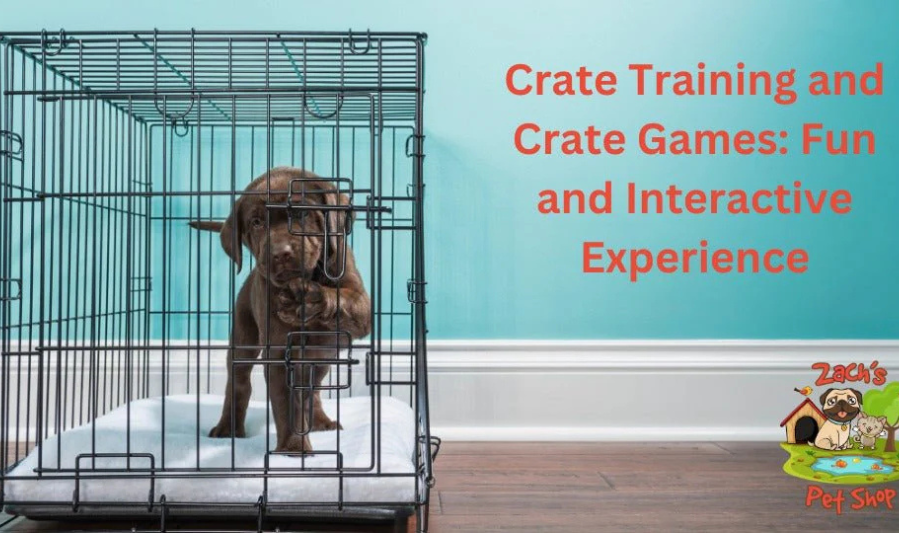
Crate training provides puppies with a safe, comfortable space while supporting potty training, reducing anxiety, and establishing boundaries. When done correctly, it becomes a positive environment that your puppy enjoys.
Benefits of Crate Training
- Safety: Keeps puppies out of danger when unsupervised
- Potty training: Encourages them to hold it, as they avoid soiling their space
- Comfort zone: Provides a secure and quiet retreat for rest and relaxation
Introducing the Crate Gradually
- Place the crate in a familiar, quiet area
- Keep the door open initially so the puppy can explore freely
- Use treats and praise to encourage the puppy to enter voluntarily
Making the Crate a Positive Space
- Add comfortable bedding, chew toys, and a few safe treats
- Feed meals inside the crate to create positive associations
- Avoid using the crate as punishment
Increasing Crate Time Gradually
- Start with short sessions (5–10 minutes) and slowly extend the duration
- Monitor your puppy’s comfort level and avoid leaving them too long
- Gradually practice crate time during absences or bedtime
Avoiding Common Mistakes
- Never use the crate for punishment
- Avoid leaving puppies in the crate for excessive periods, especially young puppies
- Ensure the crate is appropriately sized—large enough to stand, turn, and lie down comfortably
Proper crate training gives your puppy a secure retreat, aids in house training, and helps build independence and confidence.
Socialization

Socialization is essential for raising a confident, well-adjusted puppy. Proper exposure to people, animals, and new environments helps prevent fear, anxiety, and behavioral problems later in life.
Exposing Your Puppy to People, Dogs, and Environments
- Introduce your puppy to a variety of people (adults, children) and other friendly dogs
- Explore different environments: parks, streets, pet stores, and safe outdoor areas
- Aim for positive experiences rather than overwhelming encounters
Gradual Introduction to New Sights, Sounds, and Experiences
- Start with mild stimuli and gradually increase intensity
- Examples: vacuum cleaner noise, traffic sounds, household appliances
- Reward calm and curious behavior to build confidence
Puppy Classes and Controlled Social Play
- Enroll in puppy training or socialization classes for structured interactions
- Allow supervised playdates with vaccinated, well-behaved dogs
- Monitor interactions to prevent negative experiences
Using Treats and Praise
- Reinforce positive behavior with treats, praise, and gentle petting
- Reward calmness, curiosity, and friendly interactions
- Helps your puppy associate new experiences with positive outcomes
Handling Fearful or Shy Puppies
- Move slowly and patiently, never force interactions
- Allow the puppy to explore at their own pace
- Gradually increase exposure and provide consistent positive reinforcement
Proper socialization ensures your puppy grows into a confident, friendly, and adaptable adult dog, ready to navigate the world safely and happily.
Positive Reinforcement Training
Positive reinforcement is the most effective and humane method for training puppies. By rewarding desired behaviors rather than punishing mistakes, you encourage learning, build trust, and strengthen your bond.
Reward-Based Training vs. Punishment
- Focus on rewarding good behavior instead of punishing mistakes
- Avoid yelling, hitting, or negative reinforcement, which can create fear or anxiety
- Puppies learn faster when training is enjoyable and stress-free
Using Treats, Toys, and Praise Effectively
- Offer small treats immediately after correct behavior
- Combine treats with verbal praise and gentle petting
- Use toys or playtime as a reward for high-energy or motivated puppies
Short, Frequent Training Sessions
- Keep sessions 5–10 minutes, multiple times a day
- Short sessions prevent boredom and help maintain attention
- Repeat commands and practice in different environments
Consistency Across Family Members
- Ensure all family members use the same commands and rewards
- Consistency helps the puppy understand expectations clearly
- Avoid mixed signals, which can confuse your puppy
You may also like to read these posts:
Clean & Pure Face Moisturizer for Smooth, Healthy Glow
Skincare Tips for Dry Skin: How to Keep Your Skin Hydrated and Glowing
Global AI & Emerging Technologies Summit 2026
Tech Giant Google Launches Budget-Friendly Pixel 10a
Dog Care Tips: Essential Guide for a Happy and Healthy Pet
Avoiding Negative Associations
- Never scold or punish a puppy for accidents or mistakes during training
- Create positive associations with new experiences and learning
- Patience and calm guidance encourage confidence and cooperation
Positive reinforcement training fosters a happy, obedient puppy while strengthening the human-animal bond and promoting lifelong learning.
Faqs:
When should I start training my puppy?
Training should begin as soon as you bring your puppy home, usually around 8 weeks old, to establish good habits early.
How long should puppy training sessions be?
Short sessions of 5–10 minutes multiple times a day work best, keeping your puppy focused and preventing boredom.
Can I train my puppy on my own, or do I need classes?
Basic training can be done at home, but puppy classes help with socialization and structured learning in a safe environment.
How do I stop my puppy from biting or nipping?
Redirect biting to toys, teach the “leave it” command, and reward gentle behavior. Avoid using your hands as chew toys.
How do I make training consistent across family members?
Ensure everyone uses the same commands, rewards, and rules. Consistency prevents confusion and reinforces learning.
Conclusion
Training your puppy lays the foundation for a lifetime of good behavior, safety, and a strong bond. Following this Puppy Training Guide—covering basic commands, potty training, socialization, crate training, and positive reinforcement—helps your puppy grow into a confident, well-behaved, and happy dog.
Final Thought: Consistency, patience, and love are the keys to successful puppy training. A well-trained puppy not only makes life at home easier but also ensures a strong, lifelong friendship between you and your furry companion