
Introduction
Cats are resilient creatures, but even healthy cats require regular care and monitoring to live long, happy lives. Understanding their unique health needs helps prevent disease, detect problems early, and maintain overall well-being.
Importance of Cat Health Care
- Prevents common illnesses and chronic conditions such as kidney disease, dental problems, and obesity.
- Supports mental and physical well-being by maintaining energy, mobility, and a healthy coat.
- Helps detect subtle signs of illness early, which is crucial because cats often hide symptoms until problems become serious.
How Proper Care Extends Lifespan and Improves Quality of Life
- Routine veterinary visits and preventive measures reduce the risk of serious disease.
- Balanced nutrition and exercise promote healthy weight and strong immunity.
- Grooming and dental care prevent discomfort, infections, and behavioral issues.
- Early intervention for health concerns can increase longevity and reduce medical complications.
Overview of the Guide
This guide will cover:
- Understanding cat health basics and vital signs
- Common cat health issues and warning signs
- Preventive care strategies, including vaccinations, nutrition, and dental health
- Tips for monitoring and supporting senior cats
Regular Veterinary Checkups

Routine veterinary care is the foundation of maintaining your cat’s health. Regular checkups help detect problems early, provide preventive care, and ensure your cat stays healthy throughout all life stages.
Recommended Frequency
- Kittens: Every 3–4 weeks until 16 weeks of age for vaccinations and wellness checks.
- Adult Cats (1–7 years): At least once a year for wellness exams and preventive care.
- Senior Cats (7+ years): Every 6 months recommended to monitor for age-related health issues.
Regular visits allow for proactive health management rather than reactive treatment.
Key Assessments During Checkups
- Physical Exam:
- Evaluates overall body condition, skin, coat, eyes, ears, and joints.
- Vaccinations:
- Core and non-core vaccines to prevent contagious diseases.
- Weight and Body Condition:
- Detects obesity or unexpected weight loss early.
- Dental Check:
- Assesses oral health, plaque buildup, and gum disease.
- Blood and Urine Tests:
- Screens for organ function, infections, diabetes, and other internal issues.
Importance of Early Disease Detection
- Cats often hide signs of illness until conditions are advanced.
- Early detection can prevent serious complications, reduce treatment costs, and improve outcomes.
- Conditions like kidney disease, hyperthyroidism, diabetes, and dental disease are more effectively managed when caught early.
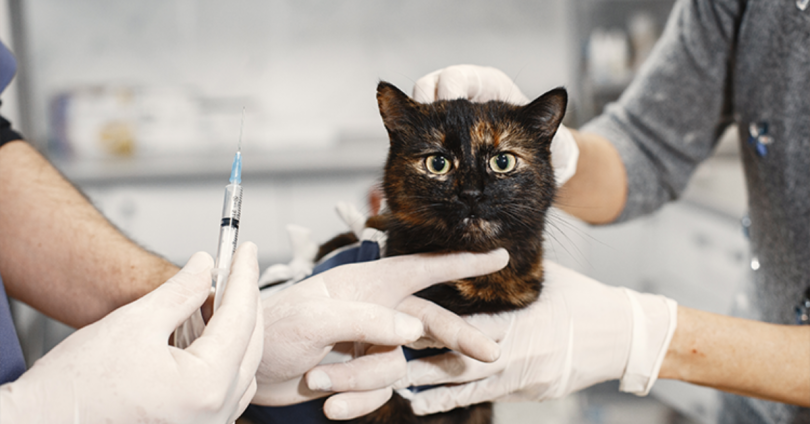
Vaccinations

Vaccinations are a cornerstone of preventive care for cats. They protect against highly contagious and potentially deadly diseases, safeguard your cat’s health, and reduce the risk of disease spread in multi-cat environments or the community.
Core Vaccines
Core vaccines are recommended for all cats, regardless of lifestyle.
- Feline Panleukopenia (FPV)
- Highly contagious viral disease affecting the gastrointestinal and immune system.
- Symptoms: vomiting, diarrhea, dehydration, lethargy.
- Can be fatal, especially in kittens.
- Feline Calicivirus (FCV)
- Causes respiratory illness, oral ulcers, and sometimes chronic infections.
- Highly contagious among cats in close quarters.
- Feline Herpesvirus (FHV-1)
- Causes upper respiratory infections, sneezing, and eye inflammation.
- Chronic carriers may show recurrent symptoms.
- Rabies
- Fatal viral disease affecting the nervous system.
- Zoonotic—can be transmitted to humans.
- Often legally required.
Non-Core Vaccines
Non-core vaccines are recommended based on risk factors such as outdoor access, multi-cat households, or local disease prevalence.
- Feline Leukemia Virus (FeLV)
- Prevents viral infection that can cause immune suppression and cancer.
- Recommended for outdoor or high-risk cats.
- Bordetella bronchiseptica
- Protects against bacterial respiratory infection, often seen in shelters or boarding facilities.
- Chlamydia felis
- Prevents conjunctivitis and mild respiratory illness, especially in multi-cat environments.
Vaccination Schedules
Kittens
- 6–8 weeks: FVRCP (Panleukopenia, Calicivirus, Herpesvirus)
- 10–12 weeks: FVRCP booster
- 14–16 weeks: FVRCP booster, Rabies
- 12–16 months: FVRCP and Rabies booster
Adult Cats
- Previously unvaccinated adults: Receive 2–3 doses of core vaccines, 3–4 weeks apart, followed by annual boosters or as recommended by the veterinarian.
Factors Affecting Vaccine Choice
- Indoor vs. Outdoor: Outdoor cats face higher exposure to FeLV, rabies, and respiratory infections.
- Lifestyle: Cats in multi-cat homes, shelters, or boarding are at higher risk for respiratory diseases.
- Local Disease Prevalence: Regional outbreaks of FeLV, rabies, or Bordetella influence vaccination decisions.
- Health Status: Immunocompromised or senior cats may require adjusted schedules.
Tailoring vaccines to your cat’s risk ensures maximum protection while minimizing unnecessary interventions.
Nutrition and Diet
Proper nutrition is one of the most important factors in maintaining your cat’s health, energy, and longevity. Feeding a balanced, life-stage appropriate diet supports growth, immune function, and disease prevention.
Life-Stage Specific Diets
Cats have different nutritional needs depending on their age:
Kitten (Up to 1 Year)
- Higher protein and calorie content for growth and development
- Supports bone formation, muscle growth, and immune system development
- Feed 3–4 small meals per day
Adult (1–7 Years)
- Balanced nutrients to maintain ideal body weight and energy
- Typically fed 1–2 measured meals per day
- Focus on weight management and dental health
Senior (7+ Years)
- May require fewer calories but highly digestible protein
- Often includes joint support nutrients and kidney-support formulas
- Monitor weight and appetite closely
Balanced Diet Components
A complete feline diet should include:
- Protein: Essential for muscle maintenance and overall health. Cats are obligate carnivores and require animal-based protein.
- Fats: Provide energy and support skin, coat, and brain health.
- Vitamins: Support immune function, vision, and metabolism.
- Minerals: Maintain bone strength, nerve function, and fluid balance.
Commercial cat foods labeled “complete and balanced” are formulated to meet these needs.
Foods to Avoid
Certain human foods are toxic or harmful to cats:
- Chocolate – Contains theobromine, toxic to pets
- Onions and garlic – Can damage red blood cells
- Grapes and raisins – May cause kidney failure
- Alcohol and caffeine – Highly toxic
- Fatty, salty, or sugary junk food – Contributes to obesity and digestive problems
Always consult a veterinarian before introducing new foods.
Hydration Tips and Importance of Fresh Water
Cats are naturally low-thirst animals, making hydration especially important.
- Provide fresh, clean water daily
- Use wide, shallow bowls or pet fountains to encourage drinking
- Incorporate wet food into the diet to increase moisture intake
- Place water bowls away from litter boxes and food dishes
Proper hydration supports kidney health, urinary function, and overall wellness.
Dental Care
Dental health is a critical but often overlooked part of feline care. Without regular attention, dental problems can cause pain, infection, and even organ damage if bacteria enter the bloodstream. Preventive dental care helps your cat stay comfortable and healthy.
Common Dental Issues in Cats
- Tartar (Calculus) Buildup
- Forms when plaque hardens on teeth
- Can lead to gum irritation and infection
- Gingivitis
- Inflammation of the gums
- Signs include redness, swelling, and bad breath
- Periodontal Disease & Tooth Loss
- Advanced gum disease damages supporting structures of the teeth
- May cause loose or missing teeth, pain, and difficulty eating
Warning signs:
- Bad breath
- Drooling
- Pawing at the mouth
- Decreased appetite
- Visible yellow or brown buildup on teeth
Brushing Techniques and Frequency
Brushing is the most effective way to prevent dental disease.
How to Brush:
- Use a cat-specific toothbrush or finger brush.
- Apply pet-safe toothpaste (never human toothpaste).
- Gently lift the lip and brush in circular motions along the gumline.
- Focus on outer surfaces where plaque accumulates most.
Frequency:
- Ideally daily brushing
- At minimum, 2–3 times per week
Start slowly and reward your cat to create positive associations.
Dental Treats and Toys
- Dental treats can help reduce plaque buildup.
- Chew toys designed for dental health may support gum stimulation.
- These should supplement, not replace, brushing.
Look for products approved by veterinary dental organizations when possible.
Professional Dental Cleaning Schedule
- Most adult cats benefit from a professional dental cleaning once per year.
- Cats with existing dental issues may require more frequent cleanings.
- Professional cleanings involve scaling, polishing, and sometimes dental X-rays under anesthesia.
Regular veterinary dental exams help detect issues before they become severe.
You may also like to read these posts:
Clean & Pure Face Moisturizer for Smooth, Healthy Glow
Skincare Tips for Dry Skin: How to Keep Your Skin Hydrated and Glowing
Global AI & Emerging Technologies Summit 2026
Tech Giant Google Launches Budget-Friendly Pixel 10a
Dog Care Tips: Essential Guide for a Happy and Healthy Pet
Parasite Prevention
Parasites can affect your cat’s comfort, health, and even lifespan. Some parasites also pose risks to humans and other pets. Consistent prevention, early detection, and proper hygiene are key to keeping your cat safe.
Fleas, Ticks, Mites, and Intestinal Worms
1. Fleas
- Cause itching, skin irritation, and allergic reactions
- Can lead to anemia in severe infestations
- May transmit tapeworms
2. Ticks
- Attach to the skin and feed on blood
- Can transmit serious diseases
- More common in outdoor cats
3. Ear Mites
- Common in kittens and multi-cat households
- Cause intense itching, head shaking, and dark ear discharge
4. Intestinal Worms (roundworms, hookworms, tapeworms)
- Spread through contaminated soil, fleas, or infected prey
- Can cause diarrhea, weight loss, and poor coat condition
Preventive Medications and Schedules
- Use veterinarian-recommended monthly flea and tick preventatives, even for indoor cats (fleas can enter homes easily).
- Deworm kittens multiple times during their first months of life.
- Adult cats may require periodic deworming based on risk factors.
- Year-round prevention is often recommended in many regions.
Always follow dosage instructions based on your cat’s weight and age.
Clean Living Environment Practices
- Vacuum carpets and upholstery regularly.
- Wash bedding in hot water.
- Clean litter boxes daily.
- Keep outdoor areas tidy and limit exposure to wildlife.
- Treat all pets in the household to prevent reinfestation.
A clean environment significantly reduces parasite survival and spread.
Signs of Parasite Infestations
Watch for:
- Excessive scratching or biting at the skin
- Hair loss or scabs
- Visible fleas or flea dirt (black specks)
- Head shaking or ear discharge
- Vomiting or diarrhea
- Weight loss or bloated abdomen (in kittens)
- Worms visible in stool
If you notice any of these symptoms, consult your veterinarian promptly.
Faqs:
How often should I take my cat to the veterinarian?
Adult cats should visit the vet at least once a year for a routine checkup. Kittens and senior cats may require more frequent visits to monitor growth, vaccinations, and age-related health conditions.
What are the most common health problems in cats?
Common issues include obesity, dental disease, urinary tract infections, kidney disease, diabetes, and respiratory infections. Regular monitoring and preventive care can help detect these early.
What vaccinations does my cat need?
Core vaccines typically include panleukopenia, calicivirus, herpesvirus, and rabies. Non-core vaccines such as feline leukemia (FeLV) may be recommended depending on your cat’s lifestyle and exposure risk.
How can I keep my cat at a healthy weight?
Feed a balanced, portion-controlled diet, limit treats, and encourage daily play and exercise. Regular weight checks and veterinary guidance help maintain a healthy body condition.
How do I maintain my cat’s dental health at home?
Brush your cat’s teeth using pet-safe toothpaste, provide dental treats or toys, and schedule professional cleanings as recommended by your veterinarian.
Conclusion
Proper cat health care is essential for ensuring your feline companion lives a long, happy, and comfortable life. From regular veterinary checkups and vaccinations to balanced nutrition, grooming, and daily exercise, every small step contributes to your cat’s overall well-being.
By staying proactive, monitoring changes in behavior or appetite, and providing preventive care, you can protect your cat from common health issues and enjoy many healthy years together. A well-cared-for cat is not only healthier but also more active, affectionate, and full of life.