
Introduction
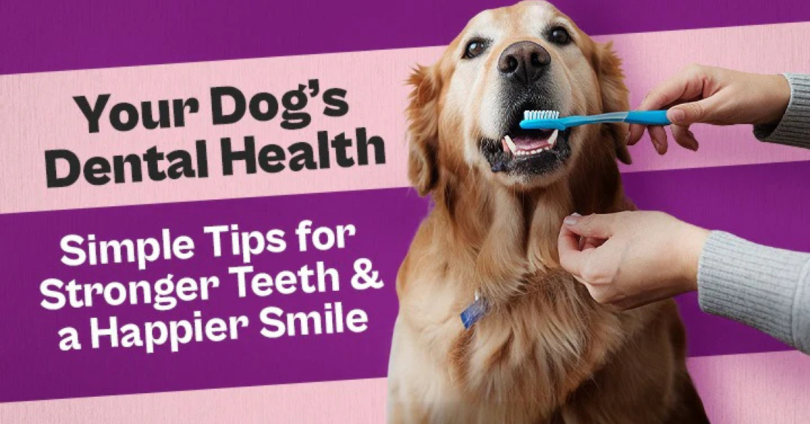
Dental care is a vital part of your pet’s overall health routine. Many pet owners focus on nutrition, exercise, and vaccinations, but oral health is often overlooked — even though dental disease is one of the most common health problems in dogs and cats.
Importance of Pet Dental Care
- Prevents plaque and tartar buildup
- Reduces the risk of gum disease and tooth loss
- Minimizes bad breath
- Prevents oral pain and discomfort
- Helps avoid costly veterinary treatments later
By maintaining regular dental care, you protect your pet from unnecessary pain and long-term complications.
How Oral Health Impacts Overall Health
Poor dental hygiene doesn’t just affect the mouth. Bacteria from untreated dental disease can enter the bloodstream and potentially impact major organs such as:
- The heart
- The liver
- The kidneys
Chronic oral infections may weaken the immune system and reduce your pet’s quality of life. Maintaining healthy teeth and gums supports overall physical health and longevity.
Overview of the Guide
This guide will cover:
- Common dental problems in pets
- Signs of oral disease to watch for
- At-home dental care techniques
- Professional cleaning and veterinary care
- Preventive strategies for long-term oral health
Why Dental Care Is Essential for Pets
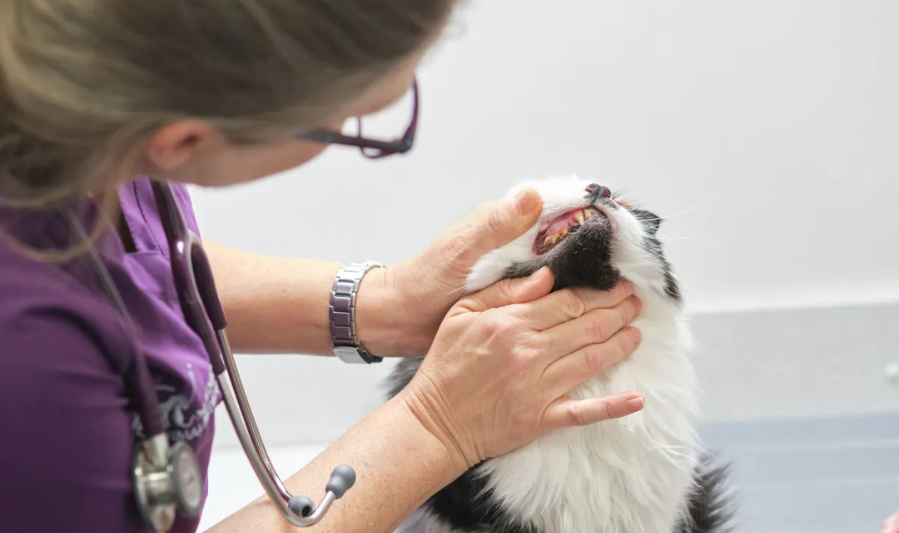
Dental care is more than just preventing bad breath — it is a critical component of your pet’s overall health. Poor oral hygiene can lead to pain, infection, and even serious systemic health issues.
Connection Between Oral Health and Organ Health
- Heart: Bacteria from infected gums can enter the bloodstream and contribute to heart disease or heart valve infections.
- Liver: Chronic oral infections can affect liver function over time.
- Kidneys: Toxins from untreated dental disease can strain kidney function, particularly in older pets.
Maintaining healthy teeth and gums helps protect these vital organs and supports long-term wellness.
Pain and Discomfort Caused by Dental Disease
- Plaque and tartar buildup can lead to gingivitis and periodontal disease.
- Pets may experience:
- Difficulty eating or chewing
- Drooling or pawing at the mouth
- Sensitivity or oral pain
- Many pets hide discomfort, so subtle signs may indicate serious issues.
Preventing and treating dental disease keeps your pet comfortable and pain-free.
Long-Term Health and Lifespan Benefits
- Reduces the risk of chronic systemic illnesses linked to oral bacteria
- Preserves teeth and jaw function, supporting proper nutrition
- Improves quality of life and overall longevity
- Lowers long-term veterinary costs by avoiding advanced dental treatments
Common Dental Problems in Pets
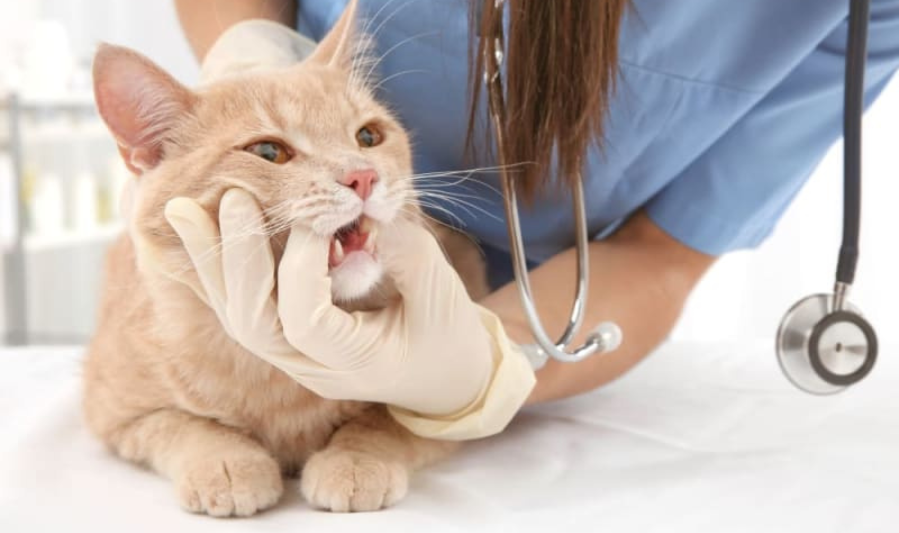
Understanding the most common dental issues helps pet owners prevent serious oral and systemic health problems. Early detection and proper care can make a significant difference in your pet’s comfort and longevity.
A. Plaque and Tartar Buildup
How Plaque Forms:
- Plaque is a soft, sticky film of bacteria that forms on teeth after eating.
- If not removed through brushing or professional cleaning, it hardens into tartar, which is difficult to remove.
Risks of Untreated Tartar:
- Irritation and inflammation of the gums
- Bad breath
- Progression to gingivitis and periodontal disease
B. Gingivitis
Early Signs and Symptoms:
- Red, swollen, or bleeding gums
- Bad breath
- Mild discomfort when eating
Reversibility with Proper Care:
- Plaque removal through brushing or professional cleaning can reverse gingivitis in its early stages.
- Consistent oral care prevents progression to more serious dental disease.
C. Periodontal Disease
Advanced Gum Infection:
- Develops when gingivitis is left untreated
- Destroys gum tissue and supporting bone around teeth
Consequences:
- Loose or missing teeth
- Pain and difficulty eating
- Bacteria may enter the bloodstream, affecting heart, liver, and kidneys
D. Broken or Damaged Teeth
Causes:
- Chewing hard objects (bones, antlers, hard toys)
- Trauma from accidents or fights
- Tooth fractures from decay
Treatment Options:
- Veterinary evaluation is essential
- Depending on severity, treatment may include dental extraction, root canal therapy, or restorative procedures
- Pain management and antibiotics may be prescribed if infection is present
Daily Dental Care Routine
Establishing a consistent dental care routine is the most effective way to prevent plaque, tartar, and gum disease. With patience and proper technique, pets can adapt to regular brushing and dental hygiene.
How to Brush Your Pet’s Teeth Properly
- Prepare Your Pet:
- Choose a quiet, comfortable area.
- Allow your pet to sniff and explore the toothbrush and toothpaste.
- Positioning:
- Gently lift your pet’s lip to expose the teeth.
- Support their head comfortably, avoiding stress or force.
- Brushing Technique:
- Use a soft-bristled toothbrush or finger brush.
- Apply circular motions along the gumline where plaque tends to accumulate.
- Focus on outer surfaces; inner surfaces are harder to reach but can be cleaned gradually.
- Positive Reinforcement:
- Praise your pet during and after brushing.
- Offer treats or play to associate brushing with positive experiences.
Choosing Pet-Safe Toothpaste and Toothbrushes
- Pet-safe toothpaste only – never use human toothpaste, as fluoride and xylitol can be toxic to pets.
- Toothbrush options:
- Finger brushes for small or anxious pets
- Dual-ended or soft-bristled brushes for dogs and cats of different sizes
How Often to Brush
- Daily brushing is ideal for preventing plaque and tartar buildup.
- At minimum, 2–3 times per week can help maintain oral health.
- Regular brushing, combined with dental treats or toys, is more effective than relying on treats alone.
Introducing Dental Care to Puppies and Kittens
- Start Early: Introduce brushing when teeth first appear (around 3–4 weeks for puppies, 3–5 weeks for kittens).
- Take it Slow: Begin with fingers or gauze to gently rub gums before introducing a toothbrush.
- Make it Positive: Reward with praise, treats, or short play sessions.
- Short Sessions: Keep initial sessions brief to build tolerance gradually.
You may also like to read these posts:
Skincare Tips for Dry Skin: How to Keep Your Skin Hydrated and Glowing
Global AI & Emerging Technologies Summit 2026
Tech Giant Google Launches Budget-Friendly Pixel 10a
Dog Care Tips: Essential Guide for a Happy and Healthy Pet
Pet Dental Care Tips: Keep Your Dog and Cat’s Teeth Healthy
Dental Chews and Toys
Dental chews and toys are valuable supplements to brushing, helping reduce plaque, tartar, and gum inflammation while keeping your pet entertained. They are not a replacement for regular brushing but can support overall oral health.
Benefits of Dental Treats
- Help scrape plaque and tartar from teeth as the pet chews.
- Promote healthy gums through mechanical stimulation.
- Encourage saliva production, which naturally helps clean the mouth.
- Can make dental care enjoyable, especially for pets resistant to brushing.
Choosing Safe and Vet-Approved Products
- Look for products approved by veterinary dental organizations (e.g., VOHC – Veterinary Oral Health Council).
- Choose chews and toys appropriate for your pet’s size and chewing strength.
- Read labels carefully to ensure ingredients are safe and non-toxic.
Avoiding Harmful or Overly Hard Chews
- Avoid bones, antlers, or very hard rawhide that can fracture teeth.
- Stay away from products with artificial sweeteners, xylitol, or excessive salt.
- Monitor pets during chewing to prevent choking or swallowing large pieces.
Faqs;
How often should I brush my pet’s teeth?
Ideally, you should brush your pet’s teeth daily, but at minimum 2–3 times per week to reduce plaque and prevent tartar buildup.
Can I use human toothpaste for my pet?
No, human toothpaste contains fluoride and other ingredients that are toxic to pets. Always use pet-safe toothpaste recommended by your veterinarian.
Are dental treats and toys enough for oral care?
Dental treats and toys can help reduce plaque, but they cannot replace regular brushing and professional dental checkups. A combination of all methods is most effective.
How do I know if my pet needs a professional dental cleaning?
Signs include bad breath, red or bleeding gums, difficulty eating, excessive drooling, or visible tartar. Your vet can assess and schedule cleaning as needed.
What happens if I ignore my pet’s dental care?
Ignoring dental care can lead to pain, tooth loss, gum disease, infections, and even affect organs like the heart, liver, and kidneys. Preventive care is essential for overall health.
Conclusion
Proper pet dental care is essential for maintaining your dog or cat’s overall health, comfort, and quality of life. Regular brushing, dental chews, professional cleanings, and routine veterinary checkups help prevent plaque buildup, gum disease, and more serious health complications.
By staying consistent with these dental care tips, you can keep your pet’s teeth strong, gums healthy, and ensure a happier, healthier companion for years to come.