


Introduction
Proper nutrition is one of the most important factors in ensuring your pet’s health, happiness, and longevity. Feeding the right diet supports physical well-being, mental clarity, and positive behavior.
Importance of Proper Nutrition for Pet
A balanced diet provides the essential nutrients pets need to grow, maintain energy, and support organ function. Nutrition impacts:
- Weight management and muscle development
- Immune system strength
- Coat and skin health
- Digestive and dental health
Feeding your pet appropriately helps prevent chronic illnesses, obesity, and nutrient deficiencies.
How Diet Affects Health, Behavior, and Lifespan
- Health: Poor nutrition can lead to conditions like diabetes, heart disease, or joint problems.
- Behavior: Nutrient-rich diets support stable energy levels and reduce irritability or hyperactivity.
- Lifespan: Consistently feeding high-quality food contributes to a longer, healthier life.
A well-fed pet is more likely to be active, alert, and emotionally balanced, making daily care and training easier.
Overview of the Guide
This guide will cover:
- Determining nutritional needs based on species, age, and activity level
- Choosing commercial pet food vs. homemade diets
- Understanding portion control, feeding schedules, and supplements
- Monitoring your pet’s weight and adjusting diet for health goals
Understanding Pet Nutrition
A solid understanding of nutrition helps ensure your pet thrives physically, mentally, and emotionally. Different species and life stages have unique requirements, but all pets rely on key nutrients and proper hydration to stay healthy.
Essential Nutrients
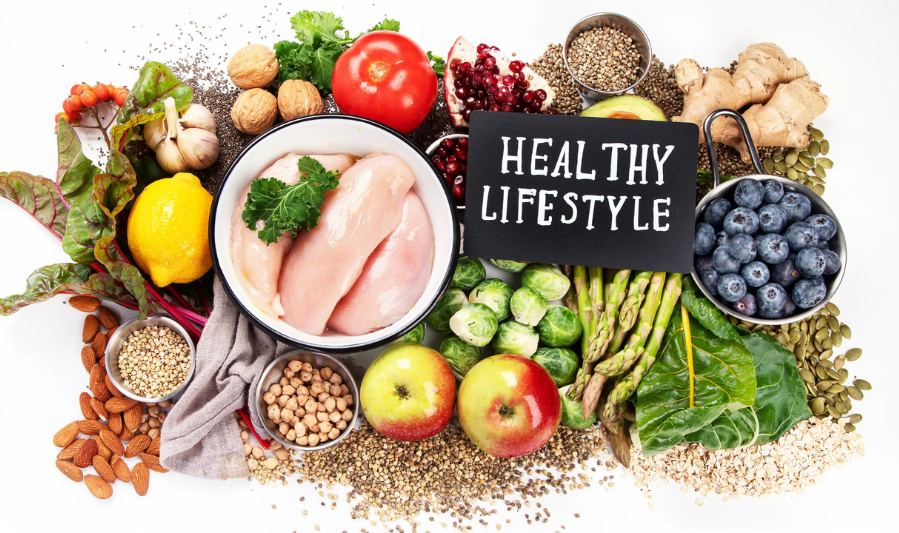
Pets need a balance of macronutrients and micronutrients to maintain growth, energy, and overall health.
- Protein
- Builds and repairs muscles, skin, and organs
- Supports immune system function
- Sources: meat, fish, eggs, or high-quality plant proteins (for certain pets)
- Fats
- Provide energy and aid in nutrient absorption
- Support healthy skin, coat, and brain function
- Sources: fish oil, animal fats, plant oils
- Carbohydrates
- Supply energy for activity and brain function
- Aid in digestive health when including fiber
- Sources: grains, vegetables, fruits
- Vitamins and Minerals
- Vitamins: Support immune health, vision, skin, and metabolism
- Minerals: Maintain bone health, nerve function, and electrolyte balance
- Balanced diets typically provide these, but supplementation may be needed in some cases
Role of Water in Pet Health
Water is essential for all life functions:
- Regulates body temperature
- Supports digestion, nutrient absorption, and waste elimination
- Maintains joint and organ health
Tip: Always provide fresh, clean water, and monitor intake for signs of dehydration or illness.
Differences Between Dogs, Cats, and Other Pets’ Nutritional Needs
- Dogs: Omnivores that can eat a mix of animal and plant-based foods. Require high-quality protein, fats, and moderate carbs.
- Cats: Obligate carnivores needing higher levels of protein and specific nutrients like taurine that are found only in animal tissues.
- Other pets (rabbits, birds, rodents): Often herbivores or omnivores with specialized diets, requiring high fiber, plant-based foods, and sometimes seeds or pellets.
Understanding these differences ensures your pet receives species-appropriate nutrition, preventing deficiencies and promoting overall well-being.
Choosing the Right Pet Food

Selecting the right food is critical for meeting your pet’s nutritional needs, supporting growth, and maintaining overall health. Pets vary in age, size, and activity, so choosing wisely ensures balanced nutrition and long-term well-being.
High-Quality Commercial Pet Foods
- Look for brands that meet AAFCO (Association of American Feed Control Officials) standards or equivalent local regulations.
- Ingredients should list high-quality protein sources first (e.g., chicken, beef, fish).
- Avoid foods with excessive fillers, artificial colors, or by-products.
- High-quality commercial diets are convenient, nutritionally balanced, and formulated for specific life stages and health needs.
Life-Stage Formulas
Different life stages require tailored nutrition:
- Puppy/Kitten: High in protein, fats, and calories to support growth and development.
- Adult: Balanced nutrients to maintain healthy weight and energy levels.
- Senior: Lower calories, joint-support nutrients (glucosamine, omega-3s), and easy-to-digest ingredients for aging pets.
Feeding life-stage appropriate food ensures your pet receives nutrients matched to their developmental needs.
Wet Food vs. Dry Food vs. Raw Diets
- Dry Food (Kibble): Convenient, promotes dental health, longer shelf life, easy to measure portions.
- Wet Food (Canned): Higher moisture content, palatable, good for hydration, often easier for picky eaters or pets with dental issues.
- Raw Diets: Consist of raw meat, bones, and sometimes vegetables. Can be nutritious if balanced, but requires careful handling to avoid nutritional gaps or contamination.
Tip: Many pet owners use a combination (dry + wet) to provide variety and encourage hydration.
Reading and Understanding Pet Food Labels
Key things to look for on labels:
- Guaranteed Analysis: Shows minimum protein, fat, and fiber, plus maximum moisture.
- Ingredients List: Items are listed by weight; quality protein sources should appear first.
- Feeding Guidelines: Provides portion recommendations based on weight and life stage.
- Nutritional Adequacy Statement: Confirms the food is complete and balanced for a specific life stage.
Understanding labels helps you make informed decisions and avoid foods that may not meet your pet’s needs.
Portion Control and Feeding Schedule
Proper portion control and consistent feeding schedules are essential for maintaining your pet’s healthy weight, energy levels, and overall well-being. Overfeeding or irregular meals can lead to obesity, digestive issues, and behavior problems.
How to Determine Proper Portions
- Follow the feeding guidelines on pet food labels as a starting point.
- Adjust based on your pet’s age, weight, activity level, and metabolism.
- Use a measuring cup or scale to ensure accuracy.
- Monitor your pet’s body condition and energy: if they gain or lose weight unexpectedly, adjust portions accordingly.
Tip: Consult your veterinarian for personalized portion recommendations, especially for puppies, seniors, or pets with health conditions.
Feeding Frequency Based on Age, Breed, and Activity Level
- Puppies/Kittens: 3–4 small meals per day to support growth and energy needs.
- Adult Dogs and Cats: 1–2 meals per day, depending on breed, activity level, and preferences.
- Active or working pets: May need additional meals or snacks to meet energy demands.
- Small breeds: Frequent small meals help prevent hypoglycemia.
Consistent timing helps your pet develop predictable routines and supports potty training in young animals.
Monitoring Weight and Body Condition
- Use the Body Condition Score (BCS) to assess your pet’s weight:
- Ribs should be easily felt but not visible.
- Waistline should be visible from above.
- Abdomen should tuck up slightly from side view.
- Regularly weigh your pet and track changes.
- Adjust portions and exercise accordingly to maintain a healthy weight.
Tips for Preventing Overeating and Obesity
- Avoid free-feeding: Use scheduled meals instead of leaving food out all day.
- Measure treats: Treats should make up no more than 10% of daily calories.
- Increase activity: Combine portion control with regular exercise for weight management.
- Monitor behavior: Watch for begging or scavenging; avoid feeding out of guilt.
- Choose nutrient-dense food: High-quality diets provide satiety with appropriate calories.
Fresh Water and Hydration
Water is essential for every physiological function in pets. Proper hydration supports digestion, circulation, temperature regulation, and overall health. Ensuring your pet has constant access to clean water is a vital part of responsible care.
Importance of Constant Access to Clean Water
- Supports digestion and nutrient absorption
- Aids in kidney and urinary tract health
- Regulates body temperature, especially in hot weather or during exercise
- Prevents dehydration-related illnesses, which can become serious quickly
Tip: Always provide fresh water in a clean bowl and refresh it at least once daily.
Signs of Dehydration
Watch for these common indicators:
- Lethargy or unusual tiredness
- Dry gums or sticky mouth
- Sunken eyes
- Loss of skin elasticity: Gently pinch the skin at the back of the neck; slow return indicates dehydration
- Reduced urine output or dark-colored urine
If you notice these signs, offer water immediately and consult a veterinarian if symptoms persist.
You may also like to read these posts:
Clean & Pure Face Moisturizer for Smooth, Healthy Glow
Skincare Tips for Dry Skin: How to Keep Your Skin Hydrated and Glowing
Global AI & Emerging Technologies Summit 2026
Tech Giant Google Launches Budget-Friendly Pixel 10a
Dog Care Tips: Essential Guide for a Happy and Healthy Pet
Tips for Encouraging Pets to Drink More Water
- Multiple water stations: Place bowls in several areas of the home.
- Fresh and clean: Change water frequently and clean bowls daily.
- Add flavor or moisture: Incorporate wet food or low-sodium broth to increase fluid intake.
- Pet fountains: Running water can entice pets to drink more, especially cats.
- Monitor activity and environment: Increase water availability during hot weather, after exercise, or during illness.
Faqs:
How do I choose the best food for my pet?
Look for high-quality pet food with real meat, balanced nutrients, and life-stage formulas. Consult your veterinarian to select food tailored to your pet’s age, breed, and health needs.
How often should I feed my dog or cat?
Puppies and kittens usually need 3–4 meals per day, while adult pets generally do well with 1–2 meals. Consistency and portion control are key to maintaining healthy weight.
Can pets eat human food safely?
Some human foods like plain cooked meat, carrots, or apples are safe in moderation. Avoid chocolate, grapes, onions, garlic, and processed foods, which can be toxic.
What supplements do pets really need?
Most pets get sufficient nutrients from high-quality pet food. Supplements like omega-3, glucosamine, or probiotics may help with joints, digestion, or coat health, but should be used under veterinary guidance.
How can I tell if my pet is overweight or underweight?
Check your pet’s body condition: you should be able to feel their ribs without excess fat covering, and they should have a visible waist when viewed from above. Regular vet checkups help track healthy weight.
Conclusion
Proper nutrition is the foundation of a healthy, happy, and long-lived pet. By providing high-quality food, the right portions, fresh water, and occasional safe treats or supplements, you can support your pet’s overall health, energy, and well-being.
Remember, every pet is unique. Monitor their weight, adjust their diet as needed, and consult your veterinarian regularly. With consistent care and balanced nutrition, your furry friend will thrive and enjoy a vibrant, active life.


